Tell us a little about your career so far?
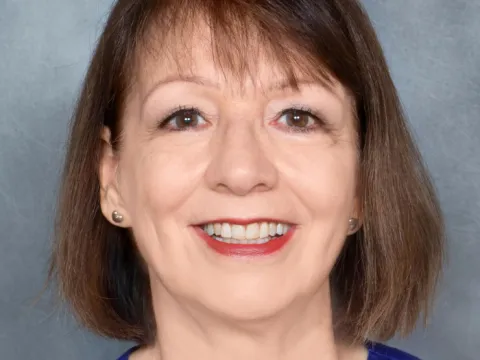
I trained as a registered general nurse in Warwick in 1981, as a midwife in Solihull in 1987, and as a children’s nurse at Great Ormond Street Hospital in 1990. I then moved to the oncology/ haematology ward as a junior sister at Nottingham Children’s Hospital in 1991. In 1996, I privately trained as a and many other illnesses. Children whose quality of life has been reduced by their illness/disease deserve some tender, loving care and something to look forward during a traumatic time. Discomfort due to the side effects of chemotherapy and post-operative pain can be relieved with massage therapy by assisting them to relax. holistic complementary therapist, with diplomas in aromatherapy and massage, guided imagery, and baby massage instruction. Complementary therapies are therapies that can be used alongside orthodox treatments to support wellbeing, quality of life and symptom relief. I spoke to my manager about providing a complementary therapy service for children and young people at the hospital, the first of its kind in the country to offer a nurse-led complementary therapy service for children and young people with various illnesses and conditions. Amazingly, it’s now in its 30th year, and it’s still the only complementary therapy unit in the UK to offer this service by a nurse to all children and young people who are inpatients. For six years, I divided my time between complementary therapy and nursing duties on the ward, until deciding I needed to make a choice. In 2003, I chose complementary therapy. The Nottingham Hospitals Charity funds the Complementary Therapy Nurse Specialist role three days a week.
Tell us about your role supporting children and young people with cancer and their families?
At Nottingham Children’s Hospital, I offer massage, relaxation and baby massage instruction three days a week to young patients suffering with cancer Complementary Therapies can be particularly beneficial for children receiving palliative care. It offers pain relief through gentle massage techniques but also shows the child and family that healthcare professionals are still available to continue to care for them and are still there to give them the love and attention they deserve in a gentler, less invasive form. We also offer a free weekly complementary therapy service for parents and carers who are staying in hospital with their child. This has been hugely popular with all our families and helps them feel valued and cared for.
How does complementary therapy help build resilience for children and young people with cancer?
During complementary therapy sessions, we discuss what has worked in the past to ease pain, nausea and anxiety, and to help with relaxation. We look at various tools like massage, breathing techniques, aromatherapy and relaxation music. The child or young person can then hopefully cope better with stressful situations, either in hospital or at home.
How do people get this support?
Any child or young person who is a patient under a paediatric consultant at the Nottingham Children’s Hospital can access the Complementary Therapy service. Any member of the multidisciplinary team can make a referral. For those in other centres wanting to access complementary therapy while going through treatment for cancer, ask your nurses and consultant if there are any services available.