PROJECT TITLE: Identifying new treatment options for therapy-resistant Burkitt lymphoma
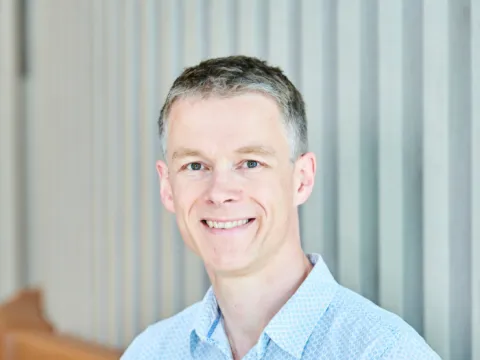
LEAD INVESTIGATOR: Dr Simon Bomken
INSTITUTION: Newcastle University
AWARD: Approx. £215,000 (funded by The Little Princess Trust and administered by CCLG
Most children diagnosed with Burkitt lymphoma in the UK are cured by current chemotherapy. However, for children whose lymphoma comes back (relapses), treatment becomes very challenging. Our research seeks to identify new treatments to attack these most resilient of cancer cells. For many years, children diagnosed with Burkitt lymphoma have received very intensive treatment with chemotherapy. More recently, many have also received an antibody treatment called rituximab. With this approach, we now expect to cure 95% of all patients. Despite this excellent outcome, we recognise two big ongoing challenges.
Firstly, many children experience very unpleasant side effects during treatment and often spend long periods in hospital. Secondly, our current ‘second line’ treatments for relapsed Burkitt lymphoma aren’t good enough and many children don’t survive following relapse. This means that while we’d love to reduce the intensity of treatment for newly diagnosed children, we don’t want any increased risk of relapse.
What are we doing?
We’ve previously shown that lymphomas which carry a fault (mutation) in the important cancer-related gene TP53 can develop resistance to chemotherapy and relapse. While that risk is small, this finding allows us to ask an important question: “How do TP53 mutations result in therapy resistance?” This is important because, despite many years of trying, we don’t yet have medicines which work effectively against mutated TP53. So instead, in this project we’ve tried to identify other ways in which TP53-mutated lymphomas can develop resistance to our current chemotherapy.
Using a powerful laboratory technique called CRISPR we’ve gone in search of genes or groups of genes (we call these 'pathways') which are essential to how Burkitt lymphoma cells survive chemotherapy. In particular, we’re looking for pathways which are especially important in TP53 mutated lymphomas. To do this, we grow cells in the laboratory, treating them with the same chemotherapy drugs given to children. The clever bit is that the CRISPR then scans the entire genetic code to pinpoint those genes which are essential for the lymphoma to survive chemotherapy treatment.
What have we found and what’s next?
Our CRISPR experiments have given us a list of possible new treatment targets, but we know that some of these will have arisen by chance. For our work to benefit children, new targeted treatments must be tested in a clinical trial. It’s important that we only try to do this with medicines that have a good chance of being effective, so for now this work continues in the laboratory. We’re going through the list, using a range of different approaches to choose which are the very best targets to continue to study. Ultimately, though, we hope that we can recommend a new drug to be investigated for children with relapsed Burkitt lymphoma to improve their chance of being cured.