
It makes sense to assume that if two diseases share the same name, they must be the same disease. After all, that’s usually how names work. But when it comes to cancer, appearances can be misleading. Although an adult cancer may be called the same name as a childhood cancer, this doesn't mean it behaves in the same way or responds to the same treatments.
For example, both children and adults can get a type of liver cancer called hepatocellular carcinoma (HCC). Around three children are diagnosed each year in the UK, compared to roughly 7000 adults. Children normally have surgery to remove the tumour, and chemotherapy to fight off any remaining cancer cells. However, chemotherapy isn’t effective for adult HCC, so they normally have a type of internal radiotherapy alongside their surgery. In short, the treatments are different because the cancers, and the bodies they are growing in, are different.
There’s another big difference – the cause. In adults, HCC is normally caused by liver scarring, which can be a result of certain infections, alcohol abuse, or exposure to toxins. As with other adult cancers, these factors often build up over time and can sometimes be avoided with lifestyle changes.
For children, it’s often a different story.
What causes HCC in children?
Dr Jake Mann is a children’s liver consultant at Birmingham Children’s Hospital who has spent over ten years researching and treating inherited childhood liver conditions. Some of his patients go on to develop liver cancer.
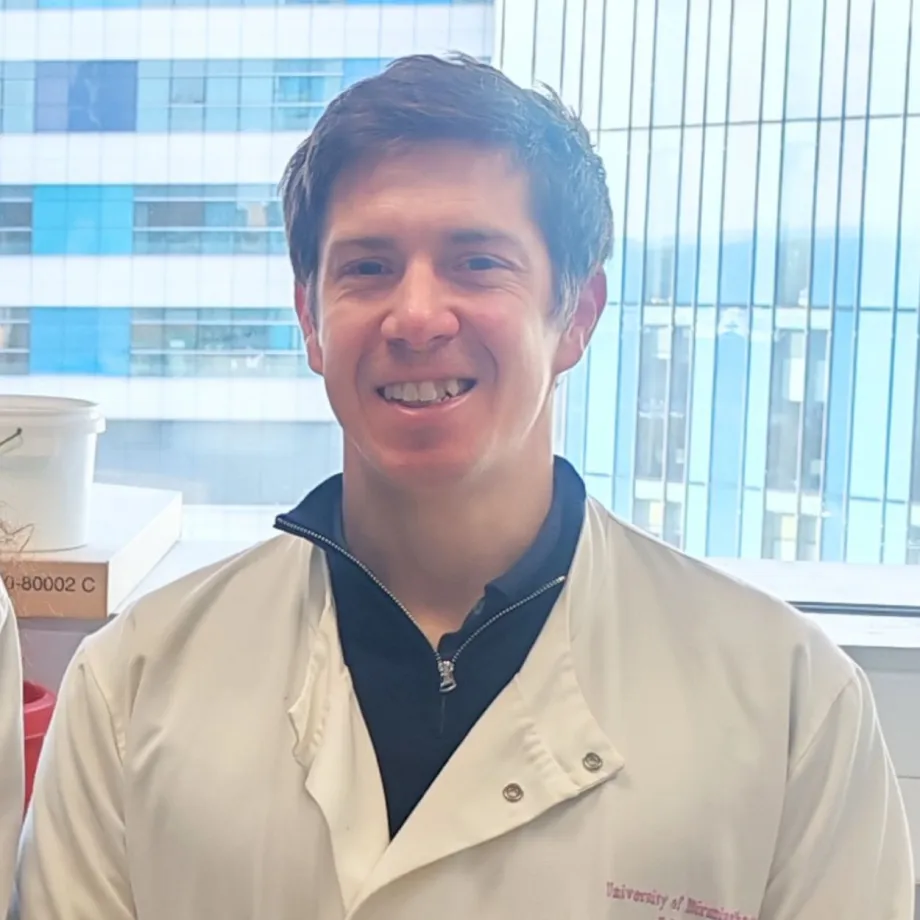
Dr Jake Mann
He said: “It is one of the hardest conversations to have when a child develops cancer, because the only treatment we can offer for many of these children is a liver transplant. New treatments now mean many children with these liver conditions keep their own liver for far longer than they used to. However, advances in liver cancer understanding are more urgent than ever, because we can't keep treating transplant as the answer.”
Adult HCC is much more likely to develop in heavily scarred livers. In children, the chances of the cancer developing don’t seem to be linked to scarring alone. For children with the conditions that Jake treats, the liver appears relatively healthy. Jake said:
Children with other liver conditions that cause a great deal of scarring don't tend to develop this cancer in childhood. So, scarring on its own doesn't explain it. This is one of the big differences between adults and children, and part of what interested me.
Mapping liver cancer
In 2024, Jake began a Little Princess Trust-funded project at the University of Birmingham to find out why some diseases make children more susceptible to liver cancer, even with minimal scarring. His work focussed on bile salt export pump (BSEP) deficiency – one of the conditions that puts children at the highest risk of developing HCC.
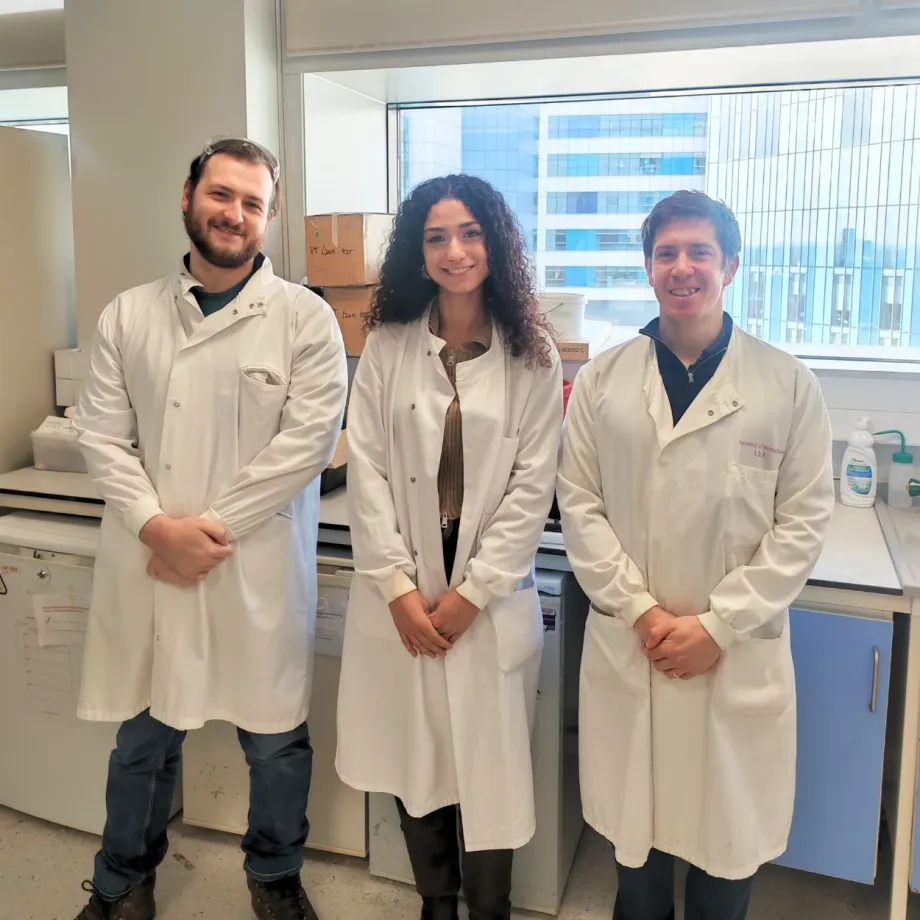
Jake's research team at the University of Birmingham
By analysing liver tumour samples from BSEP patients, he hoped to uncover genetic mutations that could explain why the condition makes HCC more likely to develop. However, it wasn’t just a case of picking one HCC cancer cell and looking at its DNA. Jake’s team was using an advanced technique called ‘spatial transcriptomics’, which looks at both healthy and cancerous cells and can give more detailed insights about the cancer.
Jake explained:
Older methods for researching genetics meant putting a whole piece of liver in a blender and measuring the average. You learn something, but you lose any sense of where anything was.
“Position matters because a tumour isn't working in isolation. It signals to the cells around it, and they signal back, and you can't follow any of that once the tissue has been blended together.”
The findings and the future
During the project, the researchers were able to create a map of HCC and healthy liver cells. It showed the cancerous mutations, and the types of healthy cells that interacted with the tumour. This showed an unusual gathering of immune cells inside HCC tumours.
Jake said: “These cells are meant to be the clean-up crew of the immune system, but inside the tumour they appear to have been switched into a different state. They also look different from the immune cells we see in other childhood liver conditions, which suggests something specific is happening in these tumours.”
In adult liver cancer, immune cells in this state are known to help tumours grow and hide from the immune system. That’s why immunotherapy, a treatment that wakes up the immune system and helps it fight cancer cells, is a core part of adult liver cancer treatment.
Jake said: “At the moment the main treatment for childhood HCC is a transplant, which means major surgery and a lifetime of medicines to stop the body rejecting the new liver.
If we can work out which cells and which signals are holding the immune system back in children, there's a real chance that drugs already licensed for adults could be used instead. This could mean that children may be able to keep their own livers.
While the project has not yet led to a new treatment, it has revealed a promising new avenue for research. By uncovering HCC’s interactions with the immune system, the findings provide new clues about how the disease develops and how children might one day be treated.
Now that Jake's LPT-funded project is complete, he hopes to analyse even more samples to confirm these findings and build a clearer picture of how childhood liver cancers develop. Each new sample could help reveal why some children are at risk of HCC, bringing us closer to a future where fewer children face a liver transplant.
We'd love to hear what you thought about this blog - please share your feedback here!

Ellie Ellicott is CCLG’s Research Communication Executive.
She is using her lifelong fascination with science to share the world of childhood cancer research with CCLG’s fantastic supporters. You can find Ellie on X: @EllieW_CCLG


