Led by Prof Ruman Rahman at the University of Nottingham, the project is one of over 200 research projects funded by The Little Princess Trust (LPT) and administered by CCLG: The Children & Young People’s Cancer Association. CCLG works with the LPT to fund research, using our expertise to help select the most impactful research projects and administer their extensive research programme.
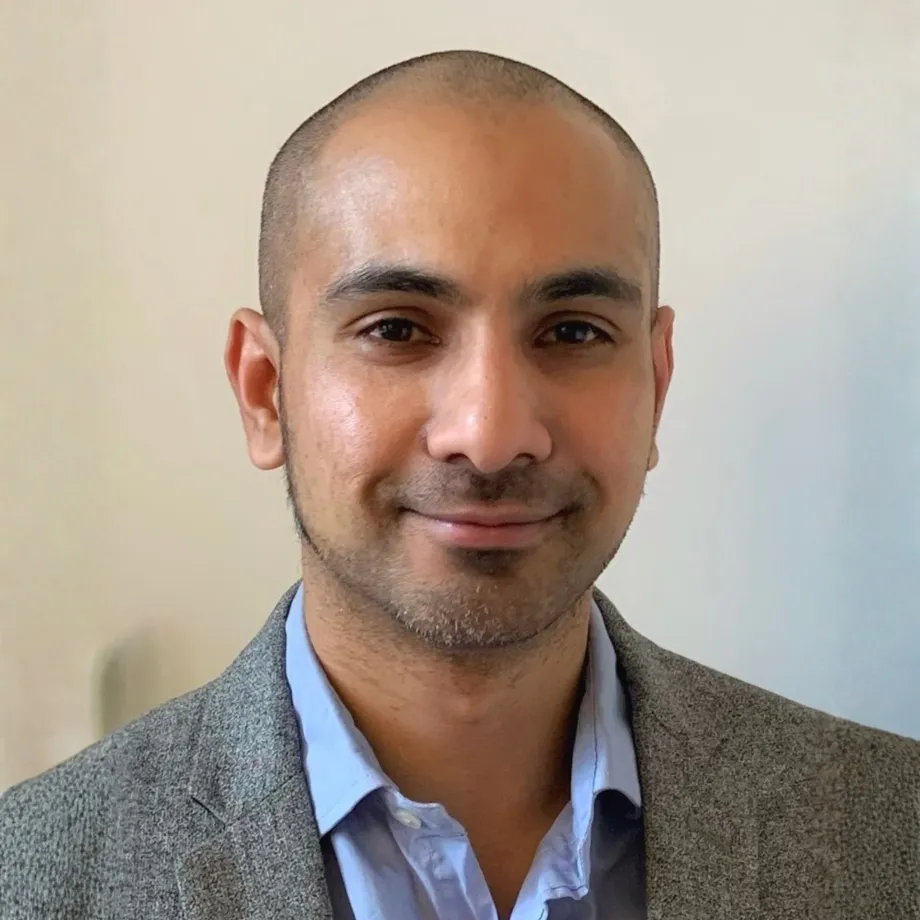
Prof Ruman Rahman
Prof Rahman’s team in Nottingham worked in collaboration with Johns Hopkins University in the USA to create an injectable chemotherapy gel to treat childhood brain tumours without the long-term side effects caused by standard treatments like radiotherapy.
Radiotherapy is used to ensure that any cancer cells left behind after surgery do not grow back. However, it can lead to long-term health problems, especially in younger children. Early research published by Prof Rahman suggests the new chemotherapy gel could be as effective as radiotherapy. In lab tests, survival rates for models treated with the gel were similar to those receiving standard radiotherapy.
Chemotherapy often doesn’t work for brain tumours when given as a tablet or through the bloodstream because the brain is protected by a barrier that blocks the entry of most medicines. However, Prof Rahman’s gel can be injected where it’s needed during surgery, slowly releasing a combination of chemotherapy medicines over the course of a month.
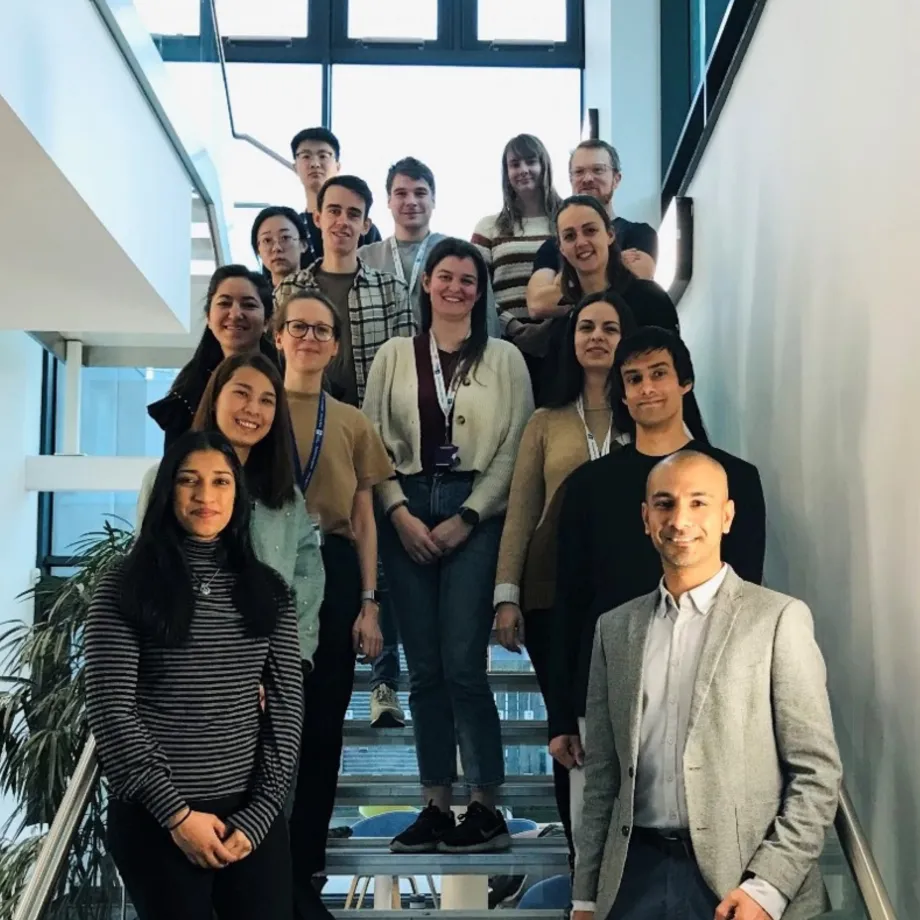
Prof Rahman’s team
He said:
The blood brain barrier is a major obstacle in getting drugs into the brain when the drugs are taken as a pill or even when they're delivered through the bloodstream. There's an opportunity to bypass that barrier during surgery, where the neurosurgeon can introduce chemotherapy via our hydrogel directly into the brain.
The gel has been tested for atypical teratoid rhabdoid tumours and group 3 medulloblastomas in the lab, hard-to-treat cancers that desperately need new and more effective treatments.
Prof Rahman added:
Our work is the first report of a biodegradable water-based gel for these childhood brain tumours, that can deliver chemotherapy drugs locally if injected during surgery. More importantly, from a therapeutic perspective, we've shown that it results in survival that is comparable to radiotherapy. If you could avoid radiotherapy and safely give the hydrogel containing our drug combination instead, it could avoid the serious side effects related to radiotherapy – which can affect everything from speech to motor skills and cognition.
Prof Rahman’s project received the first LPT Innovation Grant – a funding scheme that aimed to support exciting and out-of-the-box ideas.
Phil Brace, Chief Executive at The Little Princess Trust, said: "Research has made huge improvements for children with cancer in recent years, thanks to a number of bright ideas that have helped personalise treatment amounts and methods..
“However, children with brain tumours like medulloblastoma and ATRT may still have few effective treatments. They are in desperate need of a breakthrough. We are delighted that Prof Rahman’s work has made exciting progress towards a safer treatment.”
Prof Rahman hopes this breakthrough will reach clinical trials within five years, offering children a safer treatment option.