

Could prehabilitation help children get ready for tough treatments?
Bone marrow transplants put a huge strain on a child's body. But what if there was a way to prepare patients and improve recovery?
Bone marrow transplants put a huge strain on a child's body. But what if there was a way to prepare patients and improve recovery?

CCLG: The Children & Young People’s Cancer Association has published a new report revealing major gaps in childhood cancer research funding, despite strong investment in treatment development.

A new charity report has revealed major gaps in childhood cancer research funding despite strong investment in treatment development.
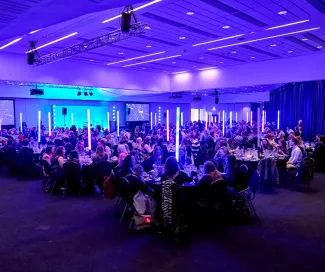
CCLG: The Children & Young People’s Cancer Association hosted its annual Member Awards ceremony last night (March 16). And, earlier in the day at its Annual Conference, CCLG also recognised the pioneering work of its researchers, as they help to drive progress in children and young people’s cancer research.
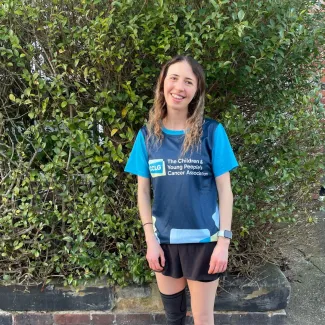
A PhD researcher at Newcastle University has been inspired by her work to take on the Edinburgh Marathon in May to raise funds for CCLG: The Children & Young People's Cancer Association.

CCLG: The Children & Young People’s Cancer Association hosts its Annual Conference next week (March 16-17), bringing together experts from across the children and young people’s cancer community.

This position statement is submitted by the Advanced Clinical Practitioners Special Interest Group (ACP SIG) of CCLG: The Children & Young People’s Cancer Association. It is supported by CCLG and is issued in response to the publication ‘Preventing doctor substitution’ issued 29th January 2026 by the BMA.

A Mansfield family’s fundraising in memory of their 11-year-old son and brother has helped fund two new research projects into childhood acute myeloid leukaemia (AML).
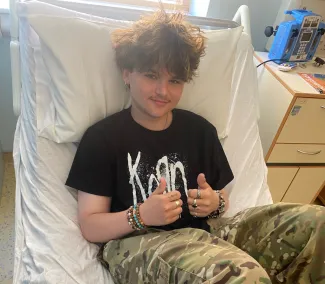
Jude Solley was diagnosed with mixed-phenotype acute leukaemia (MPAL) in 2021 aged 16. Now, 21, he explains how this caused him to struggle with body image issues, why he decided to reach out for help, and why he advises others to do the same as soon as possible.