Designing an immunotherapy for aggressive childhood brain tumours
Research focus: Enhancing CAR T-cell expansion and prolonged persistence for the effective treatment of paediatric medulloblastoma
Toby Clough was diagnosed with rhabdomyosarcoma as a toddler in 2008, with the effects of his treatment altering the appearance of his eye. Now 19, he describes the challenges he’s faced growing up, and what has helped him.
Ellen Vance’s son, Todd, was diagnosed with a brain tumour aged seven in 2008. She tells us about the impact that hair loss had on Todd, and how, inspired by the support their own family received, she and her husband, Simon, set up their own charity to help others navigating a similar path.
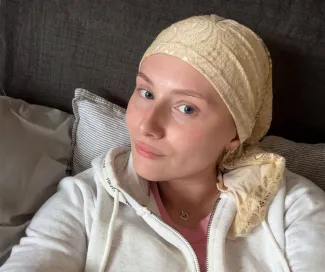
Madison Joyce was 22 years old when diagnosed with breast cancer in 2015. Now 32, she tells us about the challenges she faced with her body image, how she overcame them, and what life looks like now.
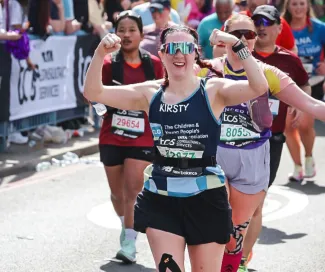
A Staplehurst lady’s fundraising in memory of her “cheeky, mischievous” three-year-old nephew has helped support vital new childhood cancer research.
New cancer treatments take a long time and a lot of money to develop. So, what if we could use existing drugs from other conditions to kill cancer cells?
CCLG: The Children & Young People’s Cancer Association is proud to announce a £600,000 collaboration with Blood Cancer UK that is funding vital new childhood leukaemia research.
We talk to Dr Heather Rose about how artificial intelligence could help doctors diagnose brain tumours more quickly and accurately.
CCLG: The Children & Young People’s Cancer Association welcomes the publication of the government’s National Cancer Plan (NCP) for England, which represents a significant opportunity to improve outcomes and experiences for everyone affected by cancer.