
The projects are part of a collaboration that combines CCLG funding with cancer samples from VIVO biobank (funded by Cancer Research UK and Blood Cancer UK). Their collection of children and young people’s cancer samples is an essential and valuable resource for research.
The projects, which have been funded with support from six CCLG Special Named Funds, cover a range of solid tumours that affect children and young people.
Improving rhabdomyosarcoma diagnosis and monitoring
Dr Supriti Ghosh, at The Institute of Cancer Research, is working on rhabdomyosarcoma, a type of soft tissue cancer. She aims to pilot a new method to explore tiny pieces of cancer DNA in patient blood samples.
Dr Ghosh explained: “This project uses blood samples to gather in-depth information about rhabdomyosarcoma tumours, reducing the need for repeated scans and invasive tissue biopsies. It has the potential to pick up changes in the cancer sooner than scans, offering clearer guidance during treatment.”
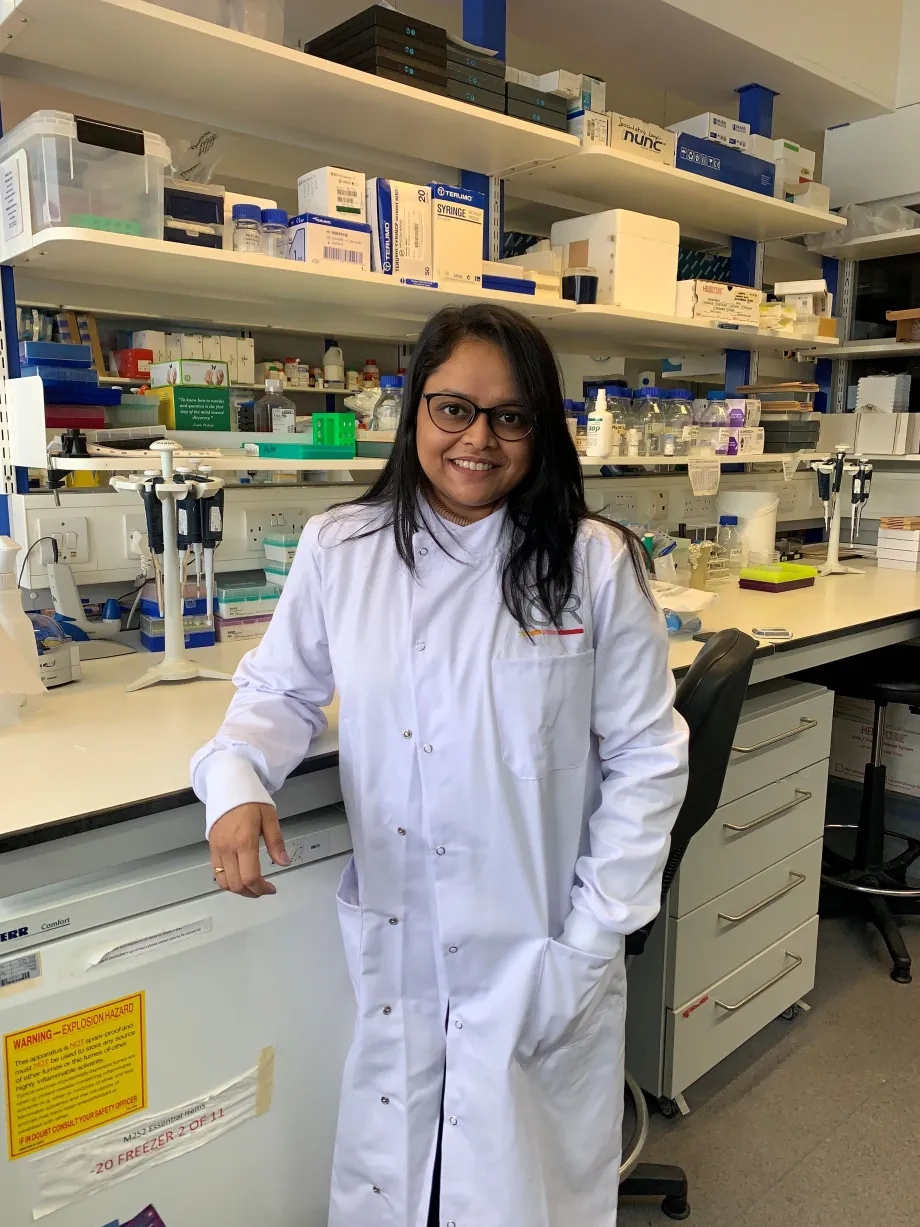
Dr Supriti Ghosh
This project has been funded by Team Jake, Pass the Smile for Ben, and Just George – which was set up in support of George Radcliffe, who was diagnosed with rhabdomyosarcoma in May 2022, age three.
He died just over a year later, aged four, after chemotherapy could not stop his tumour growing. George’s parents, Lisa and David, were desperate to make a difference for other families facing childhood cancer and have since raised over £330,000 and funded four research projects.
Lisa said:
We hope our funding helps the researchers to continue being curious and working hard to answer the vital questions that could lead to kinder and more effective treatments.
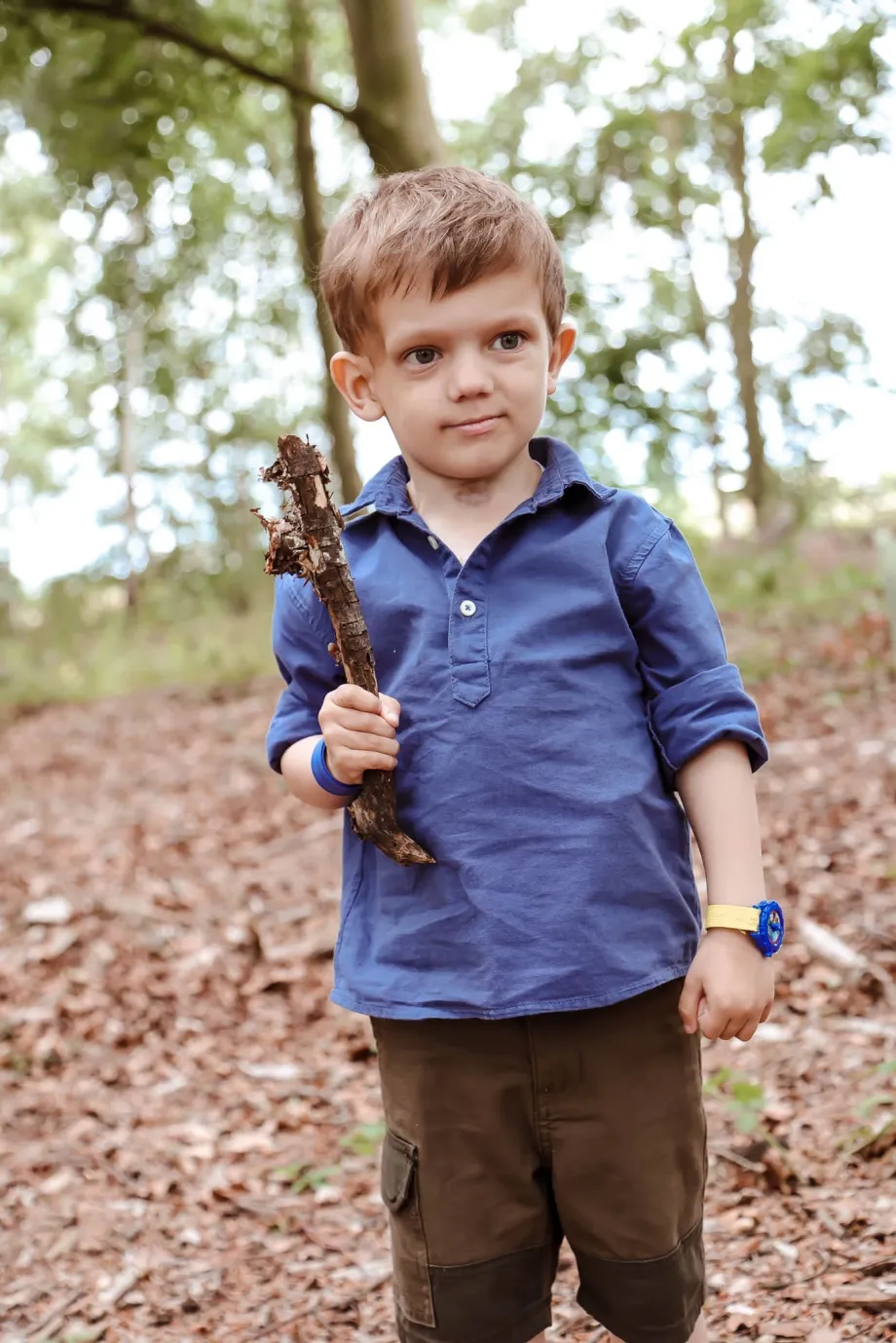
George Radcliffe
Finding better ways to monitor brain tumours
Also hoping to develop better ways to monitor cancer is Dr Alina Pandele at the University of Nottingham. She is working on ependymoma, a hard-to-treat cancer that often grows back. Her work is funded by Christopher’s Fund, Tyler’s Superhuman Fund, and #bemoremaisie.
Ependymoma is usually monitored by regular MRI scans. These scans can be stressful for patients, and they don’t always pick up relapses that haven’t yet caused symptoms. Dr Pandele hopes to find fragments of brain tumour DNA in the bloodstream that could tell doctors whether the tumour is growing back.
Dr Pandele said: “Families often live with long periods of uncertainty between scans, and current monitoring does not always pick up relapse early enough, especially before symptoms appear.
“This work offers the exciting possibility that a simple blood sample could one day provide an extra layer of information about what the tumour is doing in real time, offering earlier warning signs or reassurance between MRI scans.”
She hopes that this project will lead to more effective methods of monitoring ependymoma that are also less taxing for patients and families.
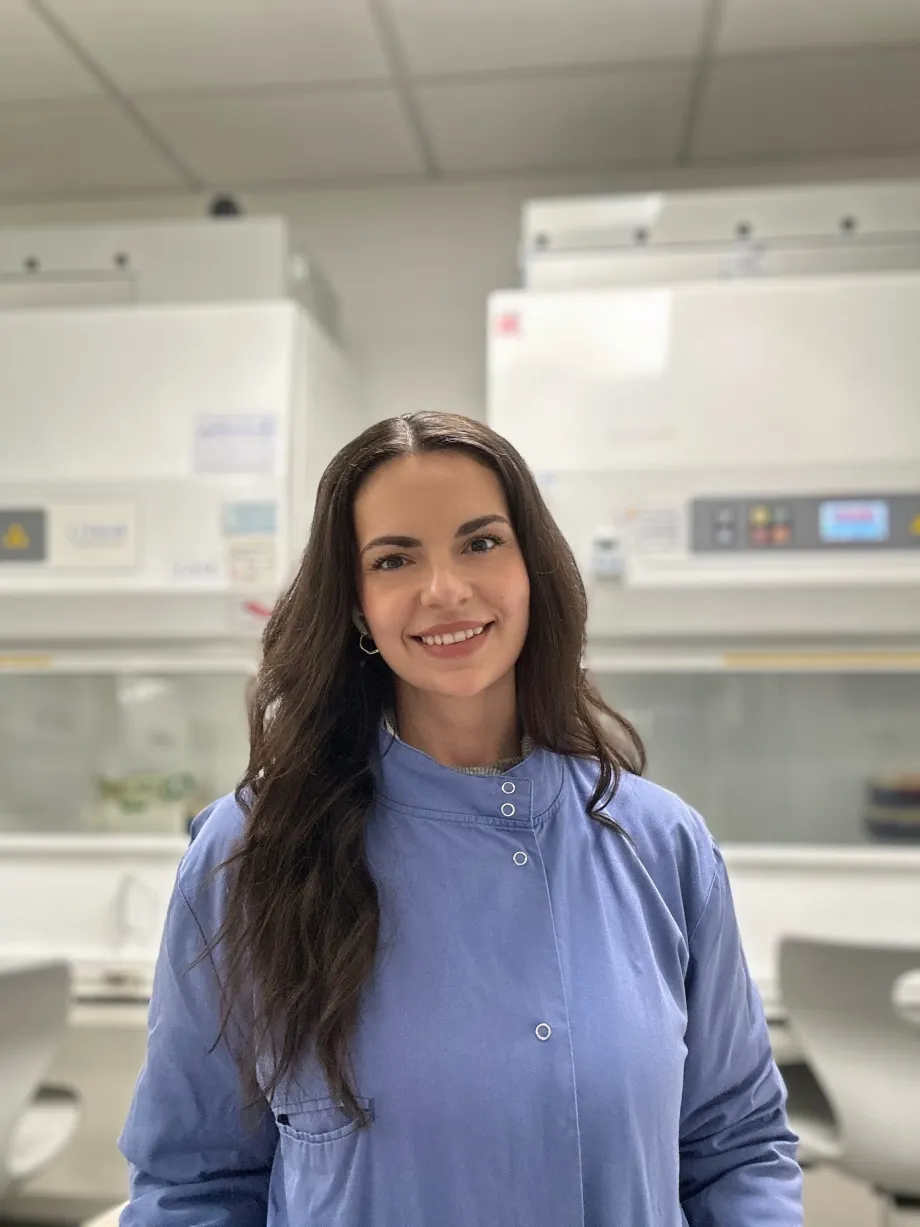
Dr Alina Pandele
Investigating patterns in neuroblastoma instructions
Around 100 children in the UK are diagnosed with neuroblastoma each year, which grows from nerves or glands. Although some cases are easy to treat, some children’s cancers are more aggressive.
Based at The University of Bristol, Dr Jodie Bojko wants to investigate which modifications inside neuroblastoma cells make them harder to treat. She will look at how genetic instructions are altered in this cancer, and how this impacts different stages of the disease.
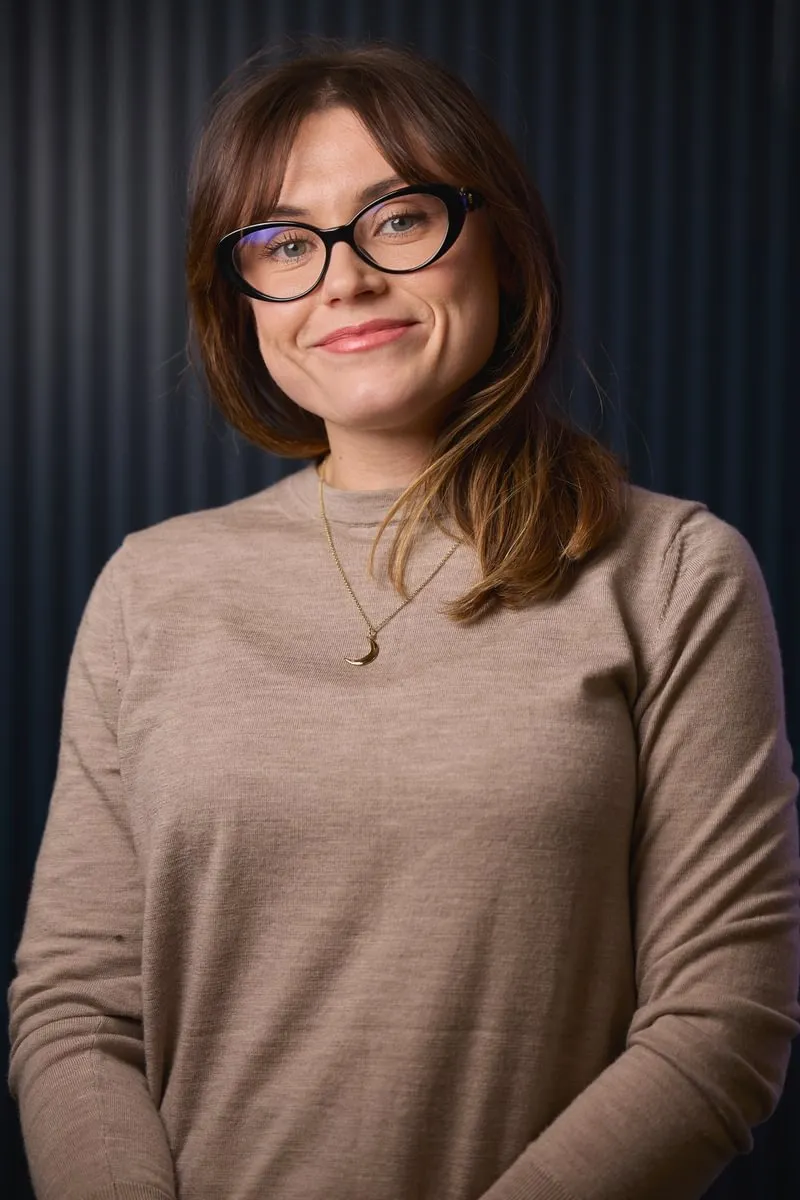
Dr Jodie Bojko
This research could lead to tools that can help doctors predict and monitor high-risk or relapsing neuroblastoma, detect relapses faster, and help find better treatments that combat the processes which make the cancer hard to cure.
Ashley Ball-Gamble, Chief Executive of CCLG, said:
These pilot studies are essential for testing new ideas and providing strong foundations for future research. Our partnership with VIVO Biobank enables promising early stage projects like these to move forward, with the aim of improving how solid tumours in children and young people are diagnosed, monitored and treated in the future.
Professor Deborah Tweddle, Director of VIVO Biobank, added: “We are once again delighted to work alongside CCLG in supporting these pilot studies and providing samples for these exciting research projects.”