
As 2025 draws to a close, we’re reflecting on a big year for CCLG – from launching our new name (CCLG: The Children & Young People’s Cancer Association) and website to leading a national childhood cancer awareness campaign.
Despite all of the work that comes with a rebrand and overhauling an old website, we haven’t let up on what’s important – funding research.
So, what has our research team been up to in 2025?
Funding for over 230 research projects!
Since we first started funding research in 2016, we haven’t stopped – not even during the COVID-19 pandemic that grounded many other research funders.
This year, we had 22 new research projects funded through the CCLG Research Funding Network, bringing the total number of projects to 232. This total includes around five million pounds of CCLG-funded research and nearly £28 million funded by the network’s other founding partner, The Little Princess Trust (LPT).
As the experts in children and young people’s (CYP) cancer, we help charities like the LPT choose the highest quality research and support researchers throughout their projects – ensuring our partners get the greatest possible impact from their investment. This year, we have supported the LPT with two rounds of research funding, through which they invested over three million pounds into 16 vital projects.
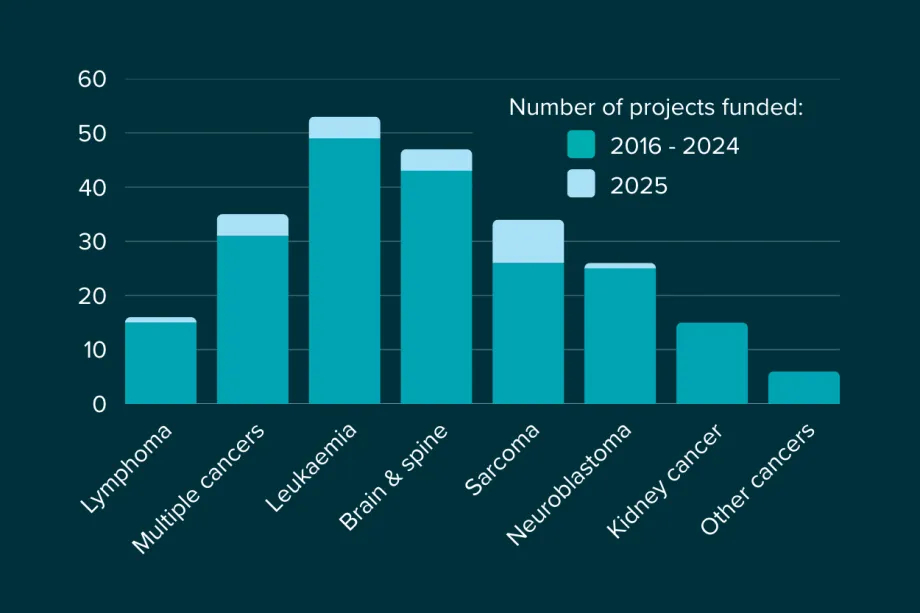
The number of projects funded into each cancer group.
A research strategy for success
In May, we launched our new Research Strategy, developed with input from researchers, professionals, survivors and families. This process reinforced our commitment to driving a coordinated approach to CYP research – using our expertise to help maximise the impact of every pound spent.
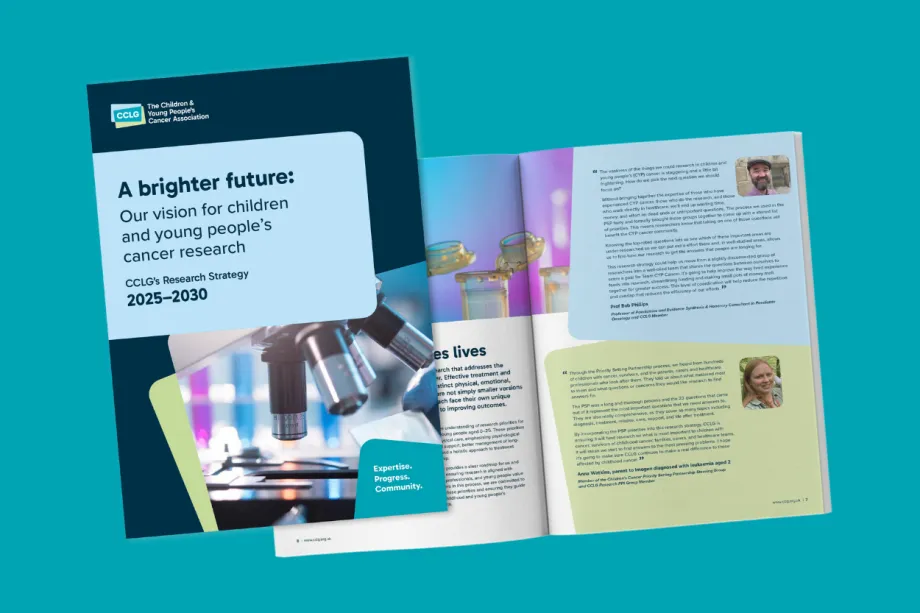
The new CCLG Research Strategy for 2025 to 2030.
Our four key ambitions for CCLG’s research are:
- A coordinated, collaborative approach to children and young people’s cancer research
- Funding the best research, led by the best minds
- Lived experience is at the heart of children and young people’s cancer research
- A thriving children and young people’s cancer research community
By following these goals, we will ensure not only that our own research is high-quality and impactful, but that charities are working together to solve the puzzle of CYP cancer.
Working together with other charities
Since launching our new strategy earlier in the year, we have been part of a collaboration with the Bone Cancer Research Trust and Great Ormond Street Hospital Charity that has invested £900,000 into bone tumour research.
Helping to fund this new research were several CCLG Special Named Funds – including #PearlPower, Kieran Maxwell Legacy, Rosie Rocks the World, Little Heroes Fund and David Vernon’s Fund.
Emma set up Rosie Rocks the World in memory of her daughter Rosie, who died from Ewing sarcoma aged 17. She said:
We want to create change, so other families don’t have to face what we have. It means everything to know that Rosie’s legacy can bring hope, progress, and the possibility of better treatments or even a cure. It gives our grief a purpose. Rosie should still be here. If research into Ewing sarcoma had been further along, her outcome – and ours – might have been different.
Celebrating research that drives real change
Research often requires people with different areas of expertise to work together, combining their knowledge to make an impact. As research depends on a skilled and connected community, creating opportunities to meet and share ideas is vital. That’s why, as part of our commitment to supporting the research community, we’re proud to spotlight CYP research at the CCLG Annual Conference.
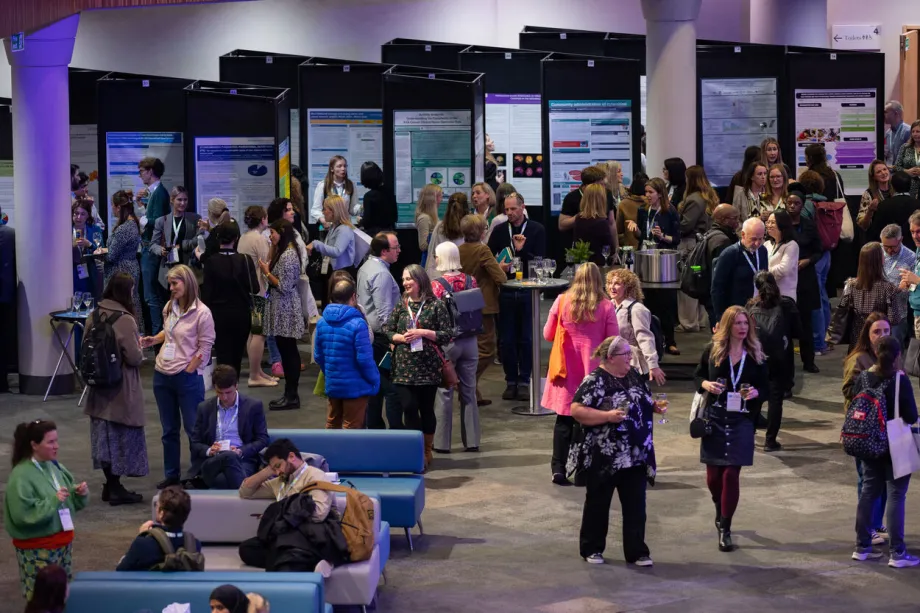
Research posters at the CCLG Annual Conference.
We held our 4th annual Research Awards at the conference this year, celebrating the work of the brightest minds in CYP cancer. During the ceremony, we were delighted to present awards across six diverse categories - recognising excellence from rising research stars, trailblazers transforming care, innovators driving meaningful change, and scientists advancing discovery into patient benefit. The awards were a celebration of progress, collaboration and commitment to improving outcomes for children and young people with cancer.
The event also showcased more than 160 scientific posters, spanning every aspect of research from clinical science, to supportive care and psychosocial research. The posters sparked discussion and highlighted the important work taking place across the country.
Ashley Ball-Gamble, Chief Executive of CCLG, said:
Our researchers are leading the way in cutting-edge research studies, helping us move closer to the day where all children and young people with cancer survive their diagnosis and go on to lead long, healthy and independent lives. It’s important to reflect on how far we’ve got to go to achieving this, but also to recognise how far we’ve come and how much progress is being made, so that we can keep moving forward with the belief that we will get there. It’s a privilege to be able to recognise the efforts of those who are helping us to do so.
Powering the next generation
A key part of building a thriving research community is helping those in the early stages of their careers get the support they need to become world leaders in CYP cancer research.
In March, we launched our Early Career Researcher Network, which now has 88 members, and in November we held our first Early Career Researcher Day in Birmingham.
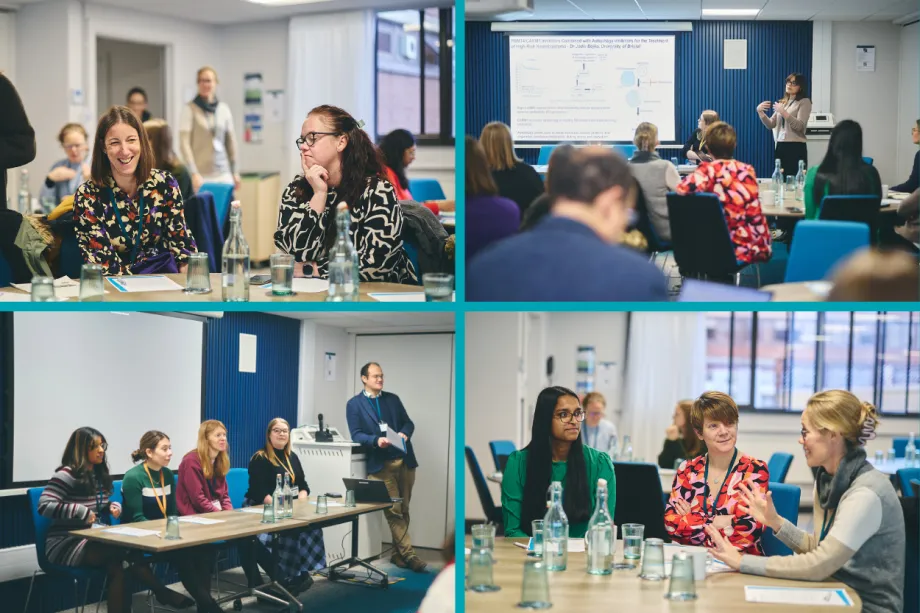
Attendees at the first Early Career Researcher Day.
Dr Alistair Poll attended the event from Newcastle University, where he works as a leukaemia researcher. He said:
“This event is one of the few forums where you feel that you've got the platform to speak, and it's just much less intimidating than conferences where there's a bigger presence for more established researchers. I think it's been a really helpful discussion.”
Leading the way: A national campaign to boost awareness of childhood cancer symptoms
Research is at the heart of everything we do – so when we set out to raise awareness of childhood cancer symptoms, we made sure it was backed by evidence. Our new Child Cancer Smart campaign takes research findings and turns the science into real-world resources to speed up diagnosis.
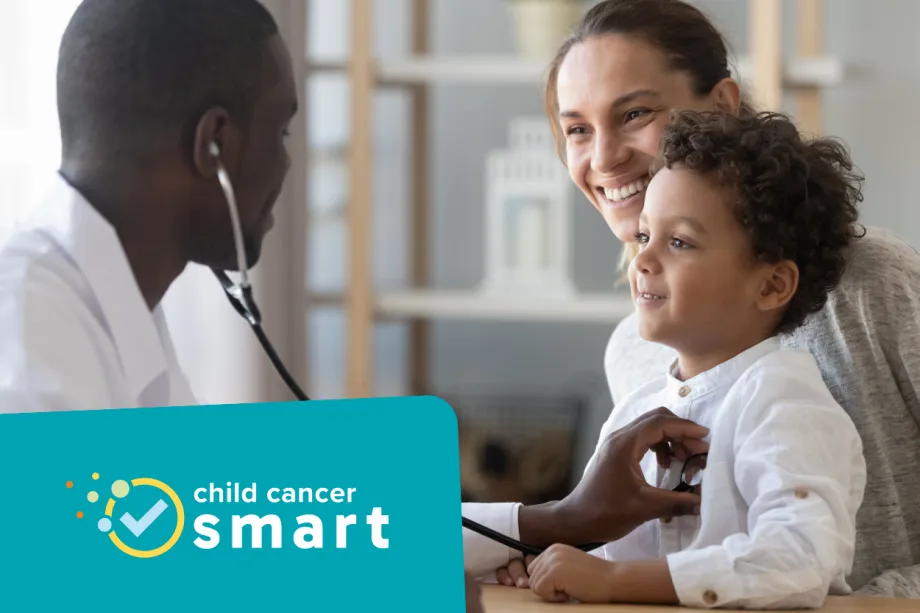
Child Cancer Smart is based on the Childhood Cancer Diagnosis Study, which investigated the referral and diagnosis of nearly 2,000 UK children diagnosed with cancer between September 2020 and March 2023. Using this and other published research, the team are generating symptom lists for parents and public, along with referral guidelines and tools to help doctors diagnose cancer faster.
Dr Shaarna Shanmugavadivel, CCLG’s Child Cancer Smart Research Fellow at the University of Nottingham, said:
We want children and young people with cancer to be identified as early as possible, which means optimising every part of the journey to diagnosis – from young people and parents noticing and acting on symptoms, to healthcare professionals investigating the right children and making timely referrals.
She added: "GPs are often the first point of contact when a child is unwell, but diagnosing cancer can be challenging when symptoms overlap with many more common conditions. The key is the pattern - persistence and progression of a spectrum of symptoms. With this campaign, we aim to provide clear, practical guidance to help clinicians, while empowering the public with awareness of the symptoms to look out for."
There are updates and releases planned for all of the major cancer groups, which we hope to share with you in 2026.
Thank you
We can’t move on to 2026 without thanking everyone who makes our work possible – our fundraisers, researchers, and supporters. As a charity, we rely on the generosity of people whose lives have been touched by cancer, and we never forget how important your voices are.
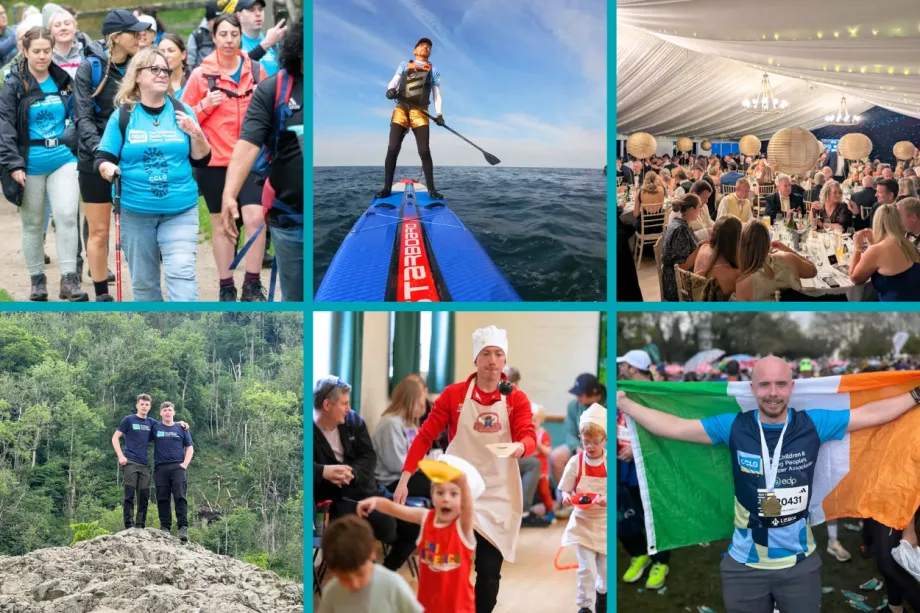
From top left: CCLG's Big Hike fundraising walk, Jamie's paddleboard challenge for #PearlPower, Just George's golden ball, Ethan's blindfolded hike, Mini Athletics special classes, and John's six half marathons.
We’re looking forward to 2026 bringing even more patient and family representation in research, in line with our new strategy – and even more excellent research to improve outcomes for children and young people with cancer.
We'd love to hear what you thought about this blog - please share your feedback here!

Ellie Ellicott is CCLG’s Research Communication Executive.
She is using her lifelong fascination with science to share the world of childhood cancer research with CCLG’s fantastic supporters. You can find Ellie on X: @EllieW_CCLG


