
People with cancer between the ages of 15 and 24 have different needs to other age groups – they may have different cancers, a range of priorities from homework to parenting, and need different treatment. However, they can also struggle with slow diagnosis and difficulty accessing support. We want to help young people’s voices be heard and that’s why the theme for this year’s Teenager and Young Adult Cancer Awareness Month (TYCAM) is ‘Giving Young People a Voice’.
For April’s TYACAM special research blog, I spoke to Shaumya Kularajan, a medicine and PhD student at the University of Glasgow, who is using her experiences of Hodgkin lymphoma to improve teenage and young adult cancer care. Her PhD investigates the experiences of young people with cancer in intensive care, looking at data and interviewing patients and families. When she completes medical school, after finishing her PhD, she hopes to research young people’s cancer alongside working as a doctor.
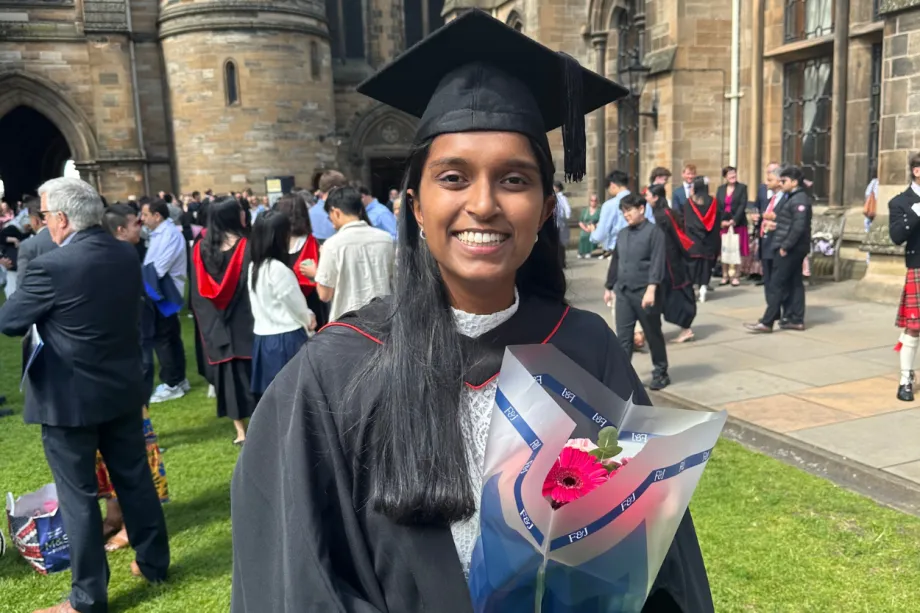
Shaumya Kularajan
What inspired your studies?
It’s a bit cliché really – I started studying medicine because I like science, and I like helping people. Then, the drive to do my PhD came from my own experiences as a lymphoma patient. I've seen how research can help patients and also how clinicians can use curiosity to find answers that can one day help patients.
Why is it important for young people to have a voice, and what could it mean for teenagers and young adults?
Young people often sit in a grey area between adult and paediatric care. In paediatric settings, there's often a reliance on adults to advocate for patients. But, as a young person, you learn to start to advocate for yourself.
Putting a spotlight on the voice of young people encourages care to be more tailored and specific to their needs. It reminds people that we deserve awareness and support.
How did you get started in young people’s cancer research?
I first got involved with research through patient involvement after I was diagnosed with Hodgkin lymphoma in 2020, which really showed me that you can do research that's driven by patients. Then, I got involved in research projects during my degree, which showed me how research can inform guidelines and improve future care.
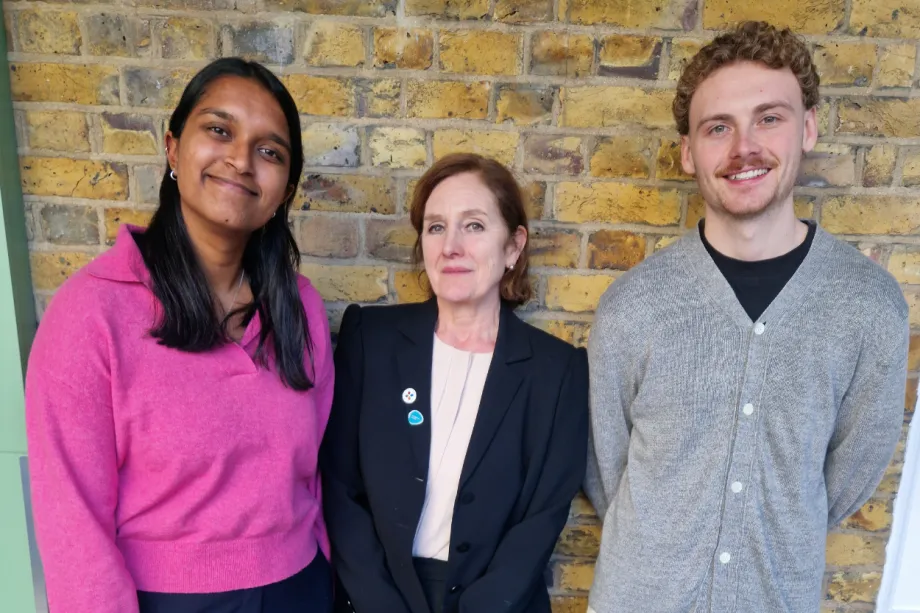
Shaumya with researcher Wendy and fellow patient representative Jack at a workshop about young people with skin cancer.
How has your cancer experience shaped how you approach research?
It has made me very invested in including meaningful patient involvement early on in my research, because it was patient involvement that exposed me to the world of research and inspired my career. For example, my PhD project is data‑led but I’m also interviewing patients and their families to keep their experiences at the centre. Having had lymphoma also makes me more driven, I think, to ensure my work can actually improve things for patients.
Did you want to go into research before your cancer diagnosis?
I probably would always have gone into research, but my experience made me more interested in oncology. It’s given me more empathy and understanding for what patients in that situation might be going through. I also think I was lucky to experience really good quality care, and that made me want to contribute to that in my own life.
What do you wish researchers or doctors better understood about young people with cancer?
That they don’t want to be defined by their diagnosis – a lot of clinicians do understand this, but I think it's really important.
Every single patient has hobbies, friends, relationships, and future aspirations. Making sure they don’t feel consumed by cancer is really important, and it’s powerful to remind a patient that they’re more than their diagnosis.
What matters most to you in young people’s cancer research?
I want research that helps young people live long and healthy lives, less affected by cancer and its treatments. Making treatments kinder and having more understanding how current treatments impact young people in such a unique time in their lives is important for better support and better outcomes.
In the next 10 years, I hope we can help patients, especially those with rarer cancers who currently don't have treatment options, whether that’s through more inclusive clinical trials or by developing new treatments.
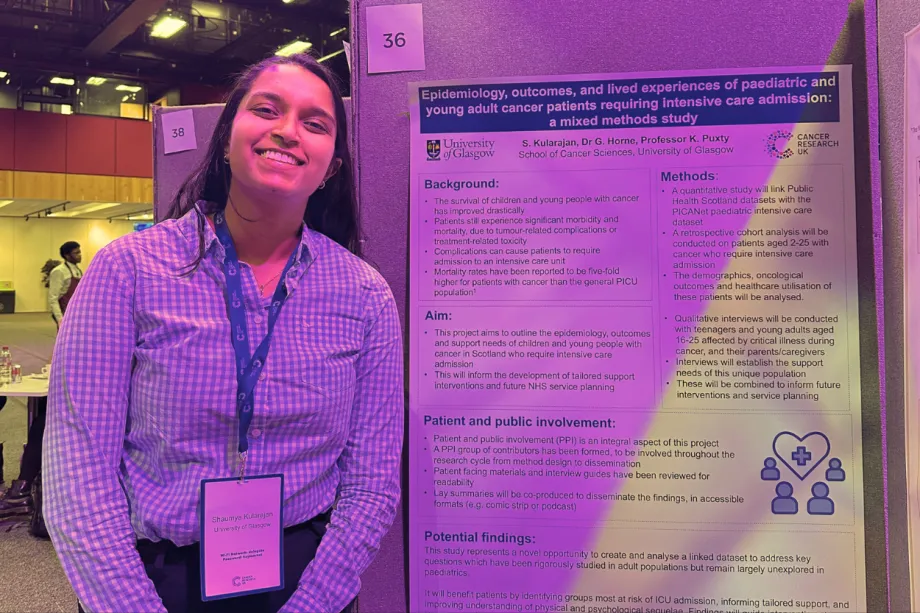
Shaumya with a poster about her research.
Do you have a parting TYACAM message for our readers?
The awareness month is a chance for all of us to come together and motivate ourselves. I hope it reminds people that teenage and young adult cancer patients have unique problems that need unique solutions.
We'd love to hear what you thought about this blog - please share your feedback here!

Ellie Ellicott is CCLG’s Research Communication Executive.
She is using her lifelong fascination with science to share the world of childhood cancer research with CCLG’s fantastic supporters. You can find Ellie on X: @EllieW_CCLG


