Within two weeks of being diagnosed with cancer, I’d had my breast removed. I remember going home and thinking, ‘What now?’ I was sat at home, and though so many people were rallying around me, I couldn’t get my head around it all. Around this time, my breast care nurse put me in touch with a Young Lives vs Cancer Support Worker, Bex. Bex gave me a ring and helped me make sense of what was going on and about to happen when beginning my treatment. This would be six rounds of chemo every three weeks, with the first three rounds being really intense because of how aggressive my cancer was. This was later followed by radiotherapy.
Bex talked about me losing my hair, which no one in the family wanted to talk about, even though we knew it was likely to happen. She put me straight in touch with The Little Princess Trust, who made me my perfect wig. This definitely helped, but it was still really hard losing the lovely long hair I had before my treatment.
Bex helped me so much, from both an emotional and practical standpoint. She was always there to talk about any problems I was having, and helped me sort out some of my finances, too. She also put me in touch with other young people. This really helped, especially as I opted against being treated on a teenage and young adult ward as I wanted to stay nearer to home in Stoke.
I remember travelling down to London with a shaved head to meet other young people diagnosed with all different cancers. My mum said this seemed to give me a real boost, being able to talk to and get advice from others going through similar experiences, and to see them doing well.
Young Lives vs Cancer also supported our whole family which was vital to us. My mum was my rock the whole way through, and was with me 24/7, so any support for her was really important.
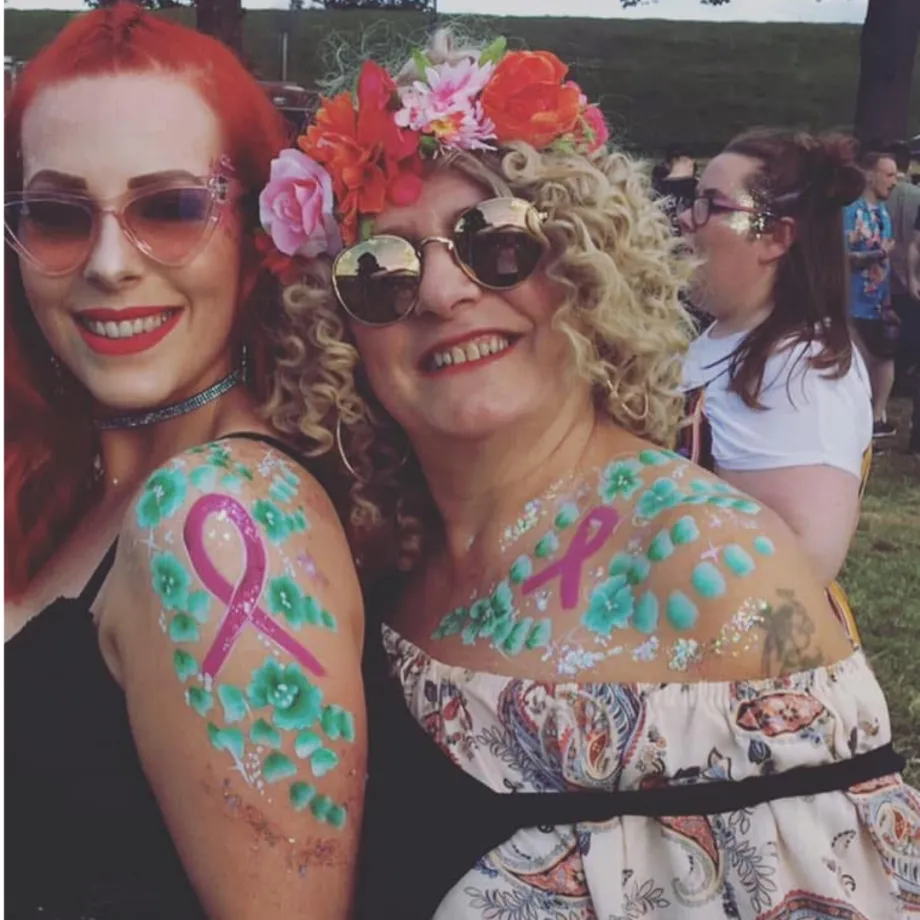
Madison with her mum, Janet
Navigating my body image issues
In addition to my hair loss, my treatment caused my appearance to change in other ways, too. The steroids I was on caused me to put on three stone in weight, which, along with having my breast removed and the hair loss, really affected me.
I knew I wanted to get back into the gym, so I put a post on Facebook, asking for a personal trainer. Because I had my breast removed, there were certain exercises and movements I couldn’t do, so I needed somebody who was sensitive to, and could help me navigate, this. A man called Simon, whose mum had breast cancer, quickly got in touch. He owned a gym and offered to tweak some sessions to help with muscle movements. Simon kindly offered to do this for free, simply to help other people with breast cancer.
I quickly joined his gym, going four or five times a week, and met a whole load of new friends there. They all supported me in losing all my ‘chemo weight’, and the fitness work itself was great for my mental health as well. We also did all sorts of extra activities away from the gym, like climbing Mount Snowdon twice, and taking part in a Tough Mudder. These were great experiences that I never thought possible before and really helped me in my recovery, both physically and mentally.
Empowering experiences
Simon thought my story was amazing and encouraged me to enter Miss Staffordshire. He thought it would be a great opportunity to celebrate my achievements while raising awareness of cancer in young people at the same time and inspire other people with confidence issues. I’m really proud of doing this, not only for taking part but for being a finalist in Miss Staffordshire, which allowed me to enter Miss England, where I came second in its ‘Most Inspirational’ category.
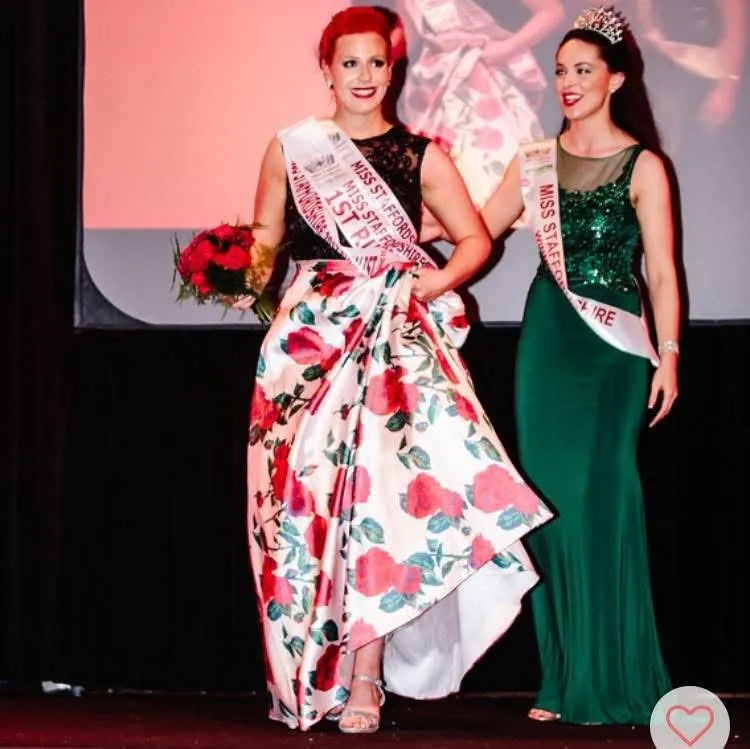
Doing Miss Staffordshire and Miss England really gave me a boost of confidence, one I probably needed at the time. I met lots of new friends, some of whom have also gone through unfortunate journeys themselves, and I still speak to some of them now. I really enjoyed it.
I also later took part in a bikini photoshoot for a body image campaign organised by The Sun, and in a ‘Full Monty’ show alongside other breast cancer survivors. This was to raise funds for The Pink Sisters & Misters, a cancer support group and charity that my mum and I have been heavily involved in and benefitted from. All these experiences were really empowering and, just as importantly, helped raise awareness of different charities and causes. I always wanted to make a difference, and to be able to do so, really meant a lot to me.
Charity support
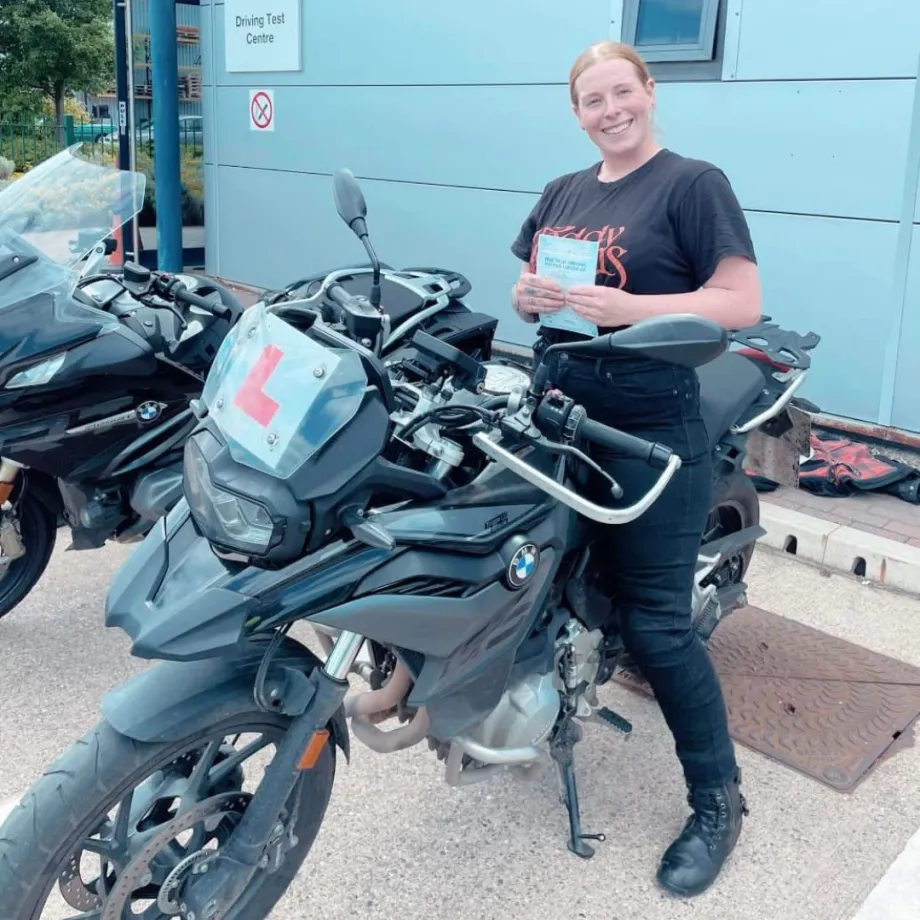
I’ve been fortunate to benefit from the support of many charities, both during and after treatment. One, a lovely little charity called The Genie’s Wish, paid for me to get my motorbike license, putting me through an intense course of lessons beforehand and paying for my test. I’d always wanted to do it, but it was something I never thought I’d do. I hadn’t saved any money for it as I’d been so poorly and only worked part-time in the first few years after treatment. It was incredible of them to do it. And even more incredible was when a year later they got back in touch and offered to pay for my first helmet and leathers.
The Make-A-Wish Foundation UK provided me and two friends with tickets for a James Bay concert and paid for all our transport and accommodation costs. These two were rocks for me during my treatment, going to every appointment and dropping their own lives to help me, and I knew whatever my ‘wish’ involved, had to include them as well. It was a great night, and it felt really special to say thank you by sharing this evening with them.
What life looks like now
While cancer is an awful thing to happen to anybody, let alone a young person, it's shaped my life incredibly. After my treatment, I knew I wanted to be a part of something that could help others. I remember thinking about when I met with my oncologist, and all the amazing medicines that he put me on and how they worked in so many ways. Years later, I’m now a medicines management technician in a hospital – my dream job – and get to help so many people with all sorts of conditions and illnesses, including cancer. I know what it’s like to be lying in a hospital bed and I carry that empathy with me in all my conversations with patients. I’ll also always make them aware of charities that can support them. It's my little way of doing something else to help.
I’m now 10-years post-treatment and, though I still want to give back where I can, I’m also looking ahead. I’ve recently bought a house with my partner and I am looking forward to the future in it. I feel grateful for where I’m at.
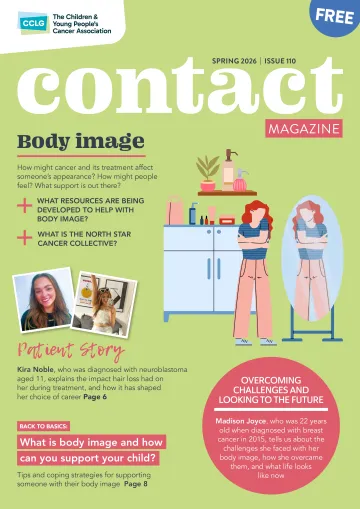
From Contact magazine issue 110 | Spring 2026