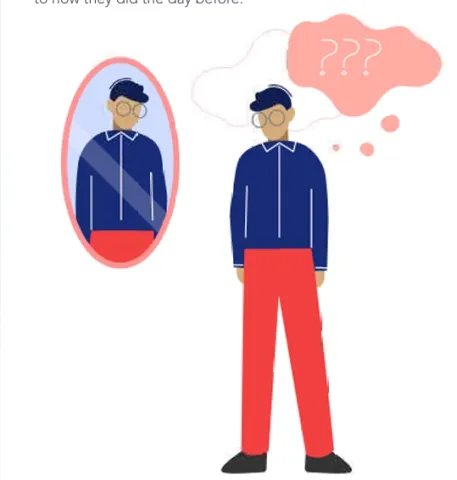
Body image isn’t necessarily about the way we look, but the way we feel about how we look, or how we perceive others seeing us. For a lot of children and young people, they're already aware of their appearance and how everyone is different to each other. But when changes happen because of cancer treatment, they’re more noticeable for the child or young person, and this may impact on their body image. For them, it’s like looking in a mirror one morning and looking different to how they did the day before.
What changes during cancer treatment?
Changes from chemotherapy affect most children and young people and can be difficult for them to cope with. Changes could include losing their hair, putting on weight from steroids or losing weight from sickness, or having lines or a nasogastric tube in, but there are a lot of other changes that can happen as well. Some of these short-term changes may feel really significant for them. Even though we know their hair will grow back, at that moment they don’t feel that it will (or it will be a very long time until it does). There may also be long-term changes to their bodies, such as scars from procedures or the loss of limbs from life-saving surgery, or changes in the ability to freely move their body, as their muscles or joints may be weaker.
For all children and young people, their bodies are changing anyway: they’re growing taller and changing shape, and they may be starting or going through puberty, so they already have feelings about changes to their body. Chemotherapy may also stop or delay these changes once they’ve started, which can also bring about more questions and worries about the future.
How could that make a child or young person feel?
Dealing with all these changes and thoughts about themselves bring about a host of different emotions. Sadness, worry, anxiety, or fear, but there may also be some glimmers of positive feelings such as being excited about their new wig, or proud at what they've achieved.
A child or young person may not say how they feel about themselves, but there may be signs to look out for such as avoiding looking in the mirror, refusing to eat or being careful what they eat, losing interest in new clothes, or not wanting to engage in activities that they've previously enjoyed.
When treatment is over, this doesn’t mean the emotional connection to their body finishes. They may already feel that their body has let them down by being poorly, then ongoing changes throughout diagnosis and treatment can build a distrust with their body and can create a negative relationship. Their hair will grow back, the body shape will stabilise, and the scars may be hidden, but the emotional impact of how they felt/feel about their body can still have an impact. That trust in their body has broken down.
What might help?
If your child’s appearance has changed, they may notice more people looking at them or asking questions about why it has, not because they want to upset them, but because they're curious. This may make your child feel embarrassed, anxious or nervous about going out or to new places. Talking with your child about this and having a plan for what to do or say in this situation can be really helpful.
- Talk about the feelings that have already come up or may come up when in these situations. Often, we hear children and young people saying they feel comfortable in hospital because everyone is the same as them, but when they're taken out of that environment, they feel different again.
- Think about who your child may be talking to and what information they may want to give. Have a couple of rehearsed sentences for them to say if someone asks about their hair, a tube or a scar, such as, “I have cancer and I’m having treatment which makes my hair fall out, but it means that it will help me get better.” You may want a different sentence for if your child doesn’t want to talk about what’s happening to them, or something more assertive if the comment seems unkind, something like, “I’d rather not talk about it right now”.
- Talk with your child’s school or other parents about the ideas you and your child have come up with and discuss any preparation that can help your child return to school or for meeting up with friends for the first time.
- Often, once the questions have been asked, the conversation will naturally move on, but it might be helpful for your child to have some questions or topics of their own to talk about should they want to change the subject.
- For older children, they may want to bring up their visible changes themselves. Again, having a few rehearsed sentences to do this is helpful. This is particularly useful if a child notices someone staring or knows that someone wants to ask a question but hasn’t yet.
- Distracting your child is a useful tool if you notice them becoming unsure or anxious in a situation. You can then ask them about how they felt later if this seems appropriate.
Other ways to support them
Encourage your child to feel comfortable with themselves. This may be allowing them to wear things that are comfortable for them, which might mean they spend a lot of time wearing loose fitting clothes or their hoody up, or they won’t leave the house without their wig. That’s okay if it makes them feel safe and more confident. Longer-term or more permanent changes may need more time to build up confidence.
It’s really important to help them to see that it isn’t just about how they look that makes them who they are, but it’s all the other things about them. By noticing and highlighting their positives and strengths, they will start to remember this as well. Try to encourage them to do things they enjoy and try new things if they can. Building confidence in their abilities, while enjoying what they're doing, will help them to redirect their feelings about themselves.
It’s hard to hear, but they may not want to be told how beautiful they still are to you (which they are), but to them they may not feel like that at that time and may not be able to hear it. Unfortunately, you can’t ‘fix it’ but being able to listen to them when they talk about how they feel about their body image, understand how hard it might be for them, and remind them how much you love them no matter what, is just as important.
During treatment, you can often get advice from your medical team about how to manage situations if it feels out of your comfort zone. The play specialists or youth support coordinators (for teenagers) have a great deal of knowledge and skills and can offer great support. You’re also able to ask for more specialist input from your hospital psychology team if you feel your child is more significantly impacted by their body image.
What might help with longer-term support?
Sometimes, there are longer-term changes to your child’s body and appearance. This may impact on a child or young person’s confidence going forward, as it may remind them of what they’ve been through. It’s important they talk to someone about this to help them process their feelings and find ways to help them manage or cope with them. The clinical team will be able to advise you on local services that can help, either within or external to the hospital. There are also helpful organisations, such as the national charity, Changing Faces, on which more information can be found online.
From Contact magazine issue 110 | Spring 2026