
You may already know that CCLG funds children's and young people’s cancer research. However, did you know we are also the professional body for all healthcare professionals and researchers working in young people’s cancer services across the UK and Ireland?
CCLG bring together the experts through our professional membership, creating a powerful national network driving progress. Together, we shape better treatment and care – developing guidelines, sharing expertise, offering advice, leading ground-breaking research, and creating essential resources and education for professionals. Our collective expertise sets the standard, advising, influencing, and advocating for excellence locally, nationally, and globally.
Without the CCLG, I don't think I could do my job as well as I do. Being a member enables us to give the best care we can for our patients and their families.Dr Nicky Thorp, Consultant Clinical Oncologist, The Christie
Our members are engaged in a huge variety of different activities to help make a difference for young patients with cancer, including research. But what are they researching? Let’s take a look at some of the projects funded through CCLG.
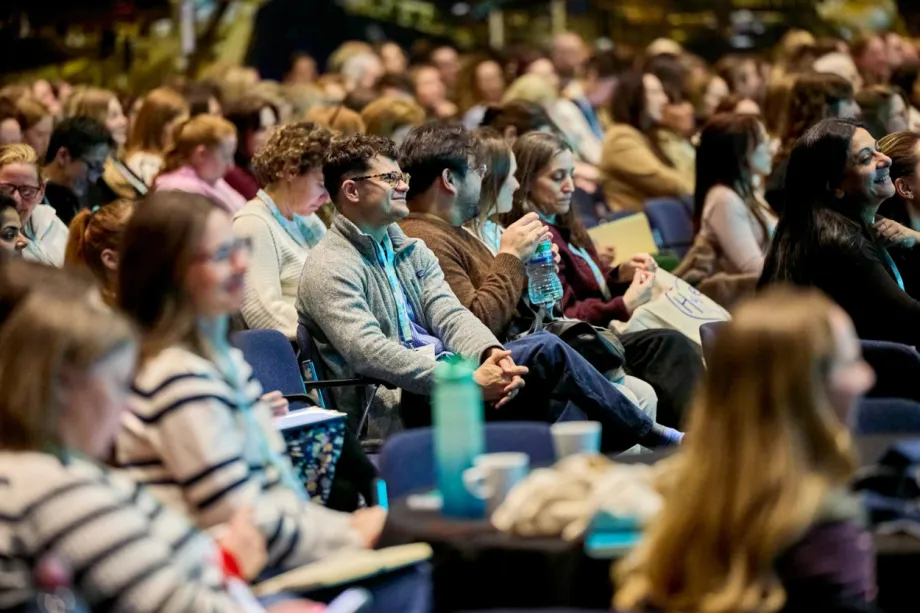
Our 2026 annual conference saw almost 700 childhood cancer professionals gather to learn and share their work.
What’s happening inside childhood lymphoma tumours?
There is a big focus on developing new and kinder treatments for young patients with cancer, as, unfortunately, some patients still do not survive, and harsh treatments can damage healthy cells, resulting in long-term effects for survivors. However, in order to find new treatments, researchers need to understand more about each cancer type and how it grows.
In 2024, Dr Minnatallah Al-Yozbaki’s pilot project at the University of Birmingham set out to understand more about diffuse large B-cell lymphoma (DLBCL), an aggressive type of childhood blood cancer.
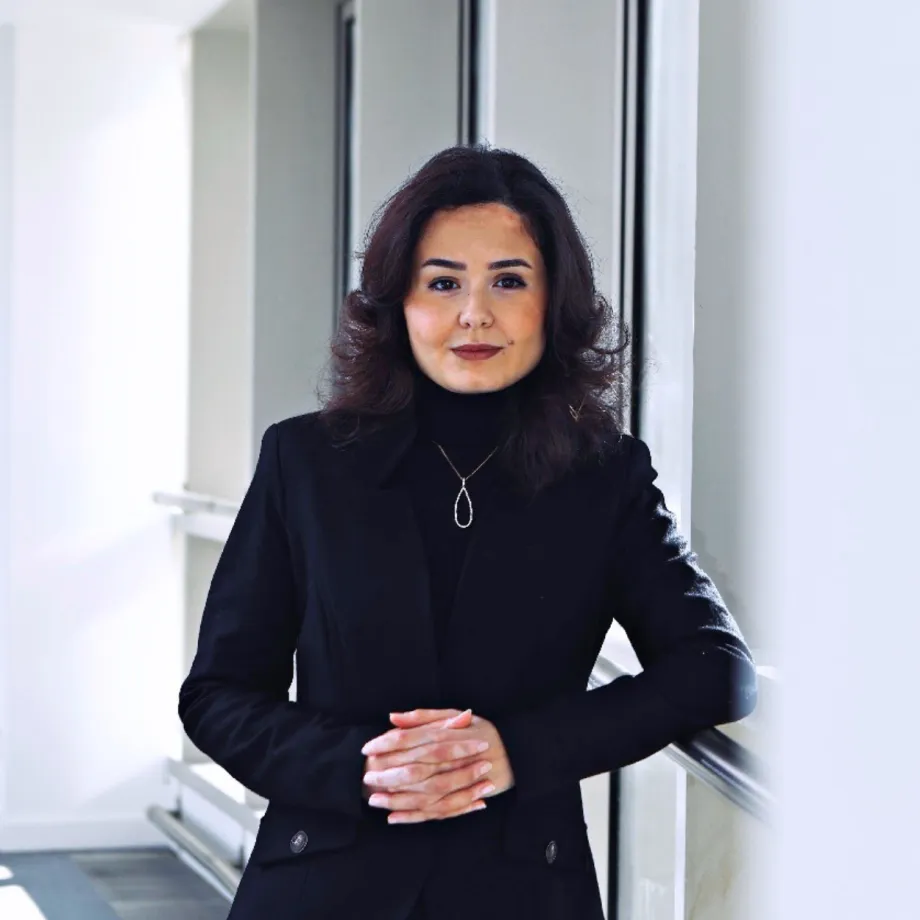
Dr Minnatallah Al-Yozbaki
Recent research showed that the mix of cells and conditions inside a DLBCL tumour - known as the ‘tumour microenvironment’ - can affect how well immunotherapy treatments work. We know that there are healthy immune cells inside the tumour, but we don’t know how they affect treatment or how they are arranged.
Minnatallah’s project generated information about how a protein called CaMK1D affects which immune cells are present in the tumour and what they are doing. She hopes that this will lay the foundations for research into kinder and more effective treatments.
Minnatallah explained:
By uncovering how CaMK1D shapes the tumour microenvironment, we hope to identify new ways to target this pathway and ultimately improve therapeutic strategies for young patients.
When she started the project, Minnatallah became a CCLG member in the hopes of finding a supportive community in our Early Career Researcher Network – one of the special interest groups available to members.
“Being a member of the CCLG Early Career Researcher (ECR) Network has been invaluable”, she said. “It has connected me with peers facing similar scientific and career challenges and provided opportunities that have genuinely strengthened my development as a researcher.”
What effect does cancer treatment have on children’s brains?
We know that chemotherapy and radiotherapy can lead to long-term problems such as poor mental health or learning difficulties – but we don’t know precisely what physical impact each treatment has on the brain.
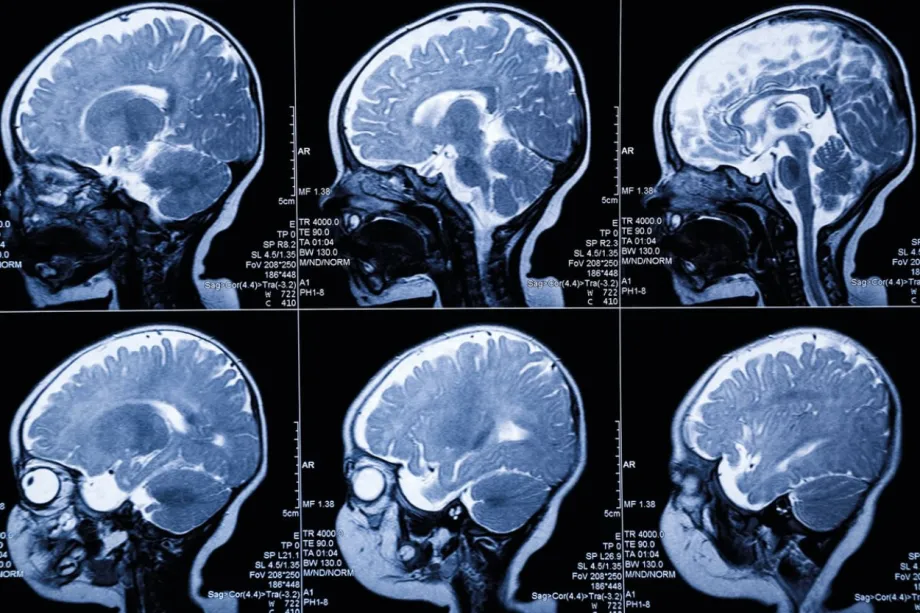
Professor Olaf Ansorge is a researcher at the University of Oxford, and a consultant specialising in brain and nervous system diseases. He wants to understand exactly what cancer treatments do to the brain – down to each different cell type. Olaf began working on this last year, funded by CCLG Special Named Fund Ben Pavitt’s Legacy of Love Fund. His research is based on ten whole brain samples from children with cancer, generously donated by their families after death.
He said:
The developing brain is highly sensitive to the side effects of common cancer therapies, and we know very little about the biological mechanisms causing them. We want to find out why some brain cells are more vulnerable than others, and what the pattern of damage in them is. We would not be able to investigate this without the incredible courage and generosity of children and families affected by cancer who pledged their tissues to us for research after death.
Olaf became a member of CCLG in 2019 to help translate lab research into new and safer treatments and innovative technologies for real patients. His goal is to help everyone affected by solid childhood cancers get diagnosed faster and receive targeted, safer and more specific treatments.
He added: “I also believe that every NHS department should build research opportunities into the care pathway for our children and young people with cancer as a default, and not just as a ’ nice-to-have ’ option. Only collectively, and with the help of organisations like CCLG, can we improve our care for young people affected by these cancers and train future leaders in paediatric oncology.”
Making treatment safer for children with brain tumours
One way of reducing the impact of cancer treatment on healthy cells is by reducing the amount of treatment given. But would that still cure the cancer?
That’s what long-time member Professor Matthew Murray wants to find out in his Little Princess Trust-funded clinical trial, which will run until 2033. He’s working on a rare type of brain tumour called germinoma that is diagnosed in fewer than 50 children per year in the UK.
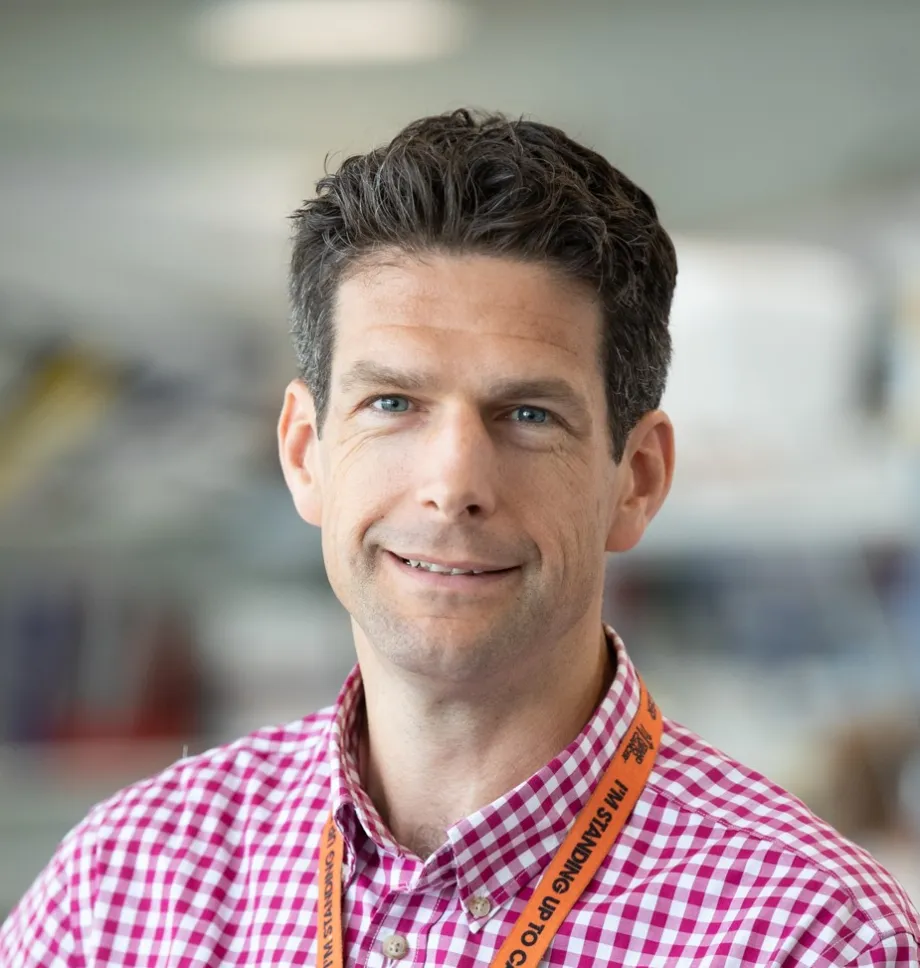
Professor Matthew Murray
Thankfully, current treatments can cure over 90% of these patients using a combination of three chemotherapy medicines. However, there are serious side effects from this treatment, like reduced fertility and higher chances of cancer later in life.
Based at the University of Birmingham, Matthew's clinical trial is testing whether germinomas could be treated just as effectively with one chemotherapy (monotherapy) instead of three.
“One of the goals of modern cancer treatment in tumours with excellent outcomes, such as germinomas of the brain”, explained Matthew, “is to improve long-term quality of life, whilst maintaining survival rates for patients.”
If our project is successful, the findings could be practice-changing - the use of monotherapy would be one of the biggest changes in treatment seen for these patients in recent decades. They would have a better quality-of-life during treatment, and fewer associated long-term side-effects.
Who looks after our members?
Our dedicated member services team oversees a wide range of activities undertaken by our members. Priscilla Clarke, our Membership Networks Executive, coordinates and supports the work of over 40 speciality interest groups, each focusing on a cancer type, profession or aspect of care
She said:
“It’s a privilege to support our membership, composed of a wide variety of professionals (such as consultants, nurses, allied health professionals) in the UK and abroad, all directly involved in caring for children and young people with cancer. They do such amazing work, and CCLG provides great opportunities for learning, networking, working co-jointly on projects, to improve the care and treatment of children and young people living with cancer.”
We'd love to hear what you thought about this blog - please share your feedback here!

Ellie Ellicott is CCLG’s Research Communication Executive.
She is using her lifelong fascination with science to share the world of childhood cancer research with CCLG’s fantastic supporters. You can find Ellie on X: @EllieW_CCLG


