Having someone to talk to
The first essential component of sibling support is having someone to talk to and check in with, whether a healthcare professional, school staff member, friend, or family member. Siblings may withhold their feelings and experiences to protect their immediate family – it’s therefore important for siblings to have a place where their thoughts, feelings and experiences can be heard, held and validated.
This supporting individual should be someone who the young person feels safe to talk to, and who is available regularly to provide a consistent, supportive space. This could be inside or outside of school, or in a club or activity that the young person attends regularly. It’s paramount that this space is made consistently available after treatment finishes, which often represents another big life adjustment for siblings.
Siblings can experience significant physical and emotional separation from their families during cancer treatment. Making time to intentionally engage in an activity with siblings, in which you're fully present and connected with them, may support with this. This can look like many things depending on the sibling’s preferences, but might include things like reading together, going for a walk, building or making something, crafting, or having a meal together.
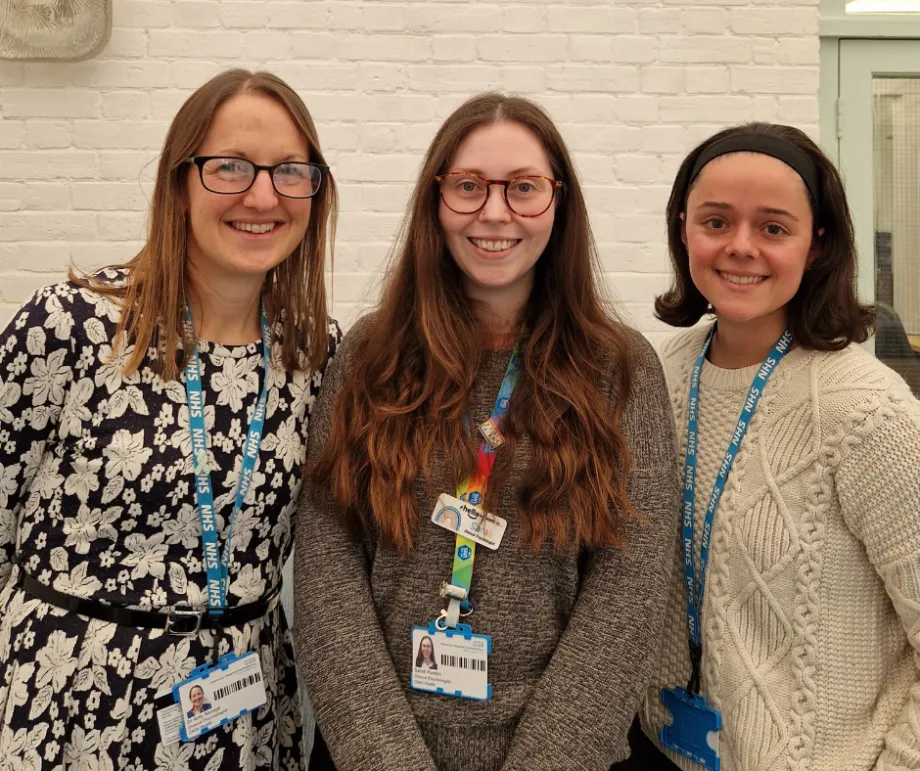
Dr Amy Savage, Dr Sarah Punton and Dr Lara Felder, Clinical Psychologists at Southampton Children’s Hospital
Access to information
Having access to age-appropriate information about their unwell sibling’s care is another key protective factor for siblings. Due to individual differences, it’s most helpful to ask them what they already know, what they want to know, how much they want to know about it, and who they want to hear it from. Where possible, ask the young person how they’d prefer to receive the information (a conversation, a book or leaflet, a trusted website etc).
Withholding information from young people about their sibling’s care, even when coming from a place of wanting to protect them, often increases anxiety for them. Encourage siblings to ask questions (there are no silly questions!) and try to talk openly and honestly in age-appropriate language, within the boundaries of what the young person wants to know.
Balancing normality with reality
Everyone copes differently. Some young people find grounding themselves in ‘normality’ provides a temporary relief at a time of great disruption and turbulence in their lives. This might look like being distracted and keeping busy, increasing family time, visiting friends, going to school and engaging in interests and activities. For others, they may wish to be actively involved in the ‘doing’, to combat feelings of helplessness. This might look like involvement in fundraising, taking on caring roles, or asking for ‘jobs to do’.
It’s important to support and encourage young people to continue engaging in things they enjoy, while still enabling time and space to talk about what's happening in the family. This can prevent siblings feeling ‘shut out’ from the realities of cancer. Lastly, where possible, support young people to visit their unwell sibling, or have some form of regular contact with them (video calls, for example), if they’re receiving care in hospital.
From Contact magazine issue 111 | Summer 2026