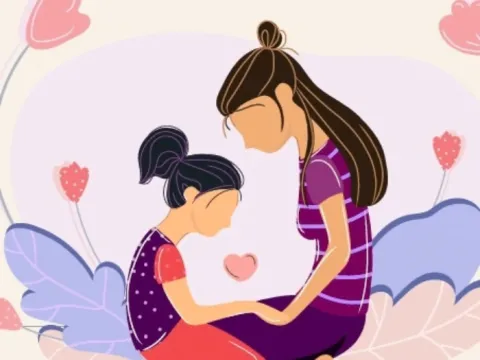
Siblings of children with serious illnesses take on many roles, often without being asked. They become young carers, motivators, and joy bringers. They are the brave ones who stand aside yet remain ever-present. They are the emotional anchors, the quiet supporters, and the ones who must continue with school and routine even when their world feels anything but routine.
Hannah has been all these things. Despite the six-year gap, Hannah and Sarah were close growing up. They squabbled like all siblings do, but Hannah also looked out for her sister, making sure she was always safe.
The day Sarah was diagnosed she and Hannah had performed in a dance event together. They were part of the same dance group, a disability dance group where we could see both children dance together. Sarah collapsed after the dance and Hannah had to go home with Sarah’s friend’s family. She was there for hours, not knowing what was happening. When she was eventually picked up, she reassured us that if Sarah was getting treatment, she’d be okay. I quietly held on to this hope.
Hannah’s kindness and the sacrifices she made
Hannah has always been kind-hearted and even fundraised for two local cancer charities with her friends earlier that year, when she was only seven. She had to take on a lot of responsibility at a young age, always acting with a maturity and compassion beyond her years.
One such example was when Hannah isolated in her room for seven days through the early stages of the COVID-19 pandemic to protect her sister. She developed COVID-like symptoms the week we went into lockdown and, as Sarah was clinically vulnerable, the advice was for her to isolate. For a week, she would just see me when I took food up to her and sat at a distance to check on her. I was so proud she did it, and without complaining once, unlike some adults doing the same.
Hannah has always been kind-hearted and even fundraised for two local cancer charities, when she was only seven. She had to take on a lot of responsibility at a young age
During the pandemic, Hannah was also homeschooled for longer periods than her peers and celebrated her 13th birthday quietly in a park with five friends, socially distanced, while her sister, who’d recently relapsed, underwent CAR T-cell therapy. Several years later, she also mentioned how she sometimes wondered if she’d see a family friend picking her up from school instead of me or my husband, which would have meant Sarah had an unexpected hospital admission.
I admired her maturity and uncomplaining manner. Hannah has held back her own pain, so as not to add to ours. She understood, far earlier than most children should, that her parents loved her with all their hearts, even when our time and energy were consumed by hospital stays, treatments and a fear of the unknown.
Hannah recently turned 18. On her birthday, I was reminded of how many years of her life revolved around Sarah’s illness. Family life was organised around medication timings, hospital visits, unexpected hospital admissions and the need to stay home and isolate. Holidays were cancelled. Short trips were carefully planned or skipped altogether. Watching other families travel freely was a constant reminder of what we were missing.
What Hannah has taught me
Today, Hannah has grown into a compassionate and courageous young woman. Deeply empathetic, she stands up for fairness, inclusion, and for the treatment of others with respect and dignity. Through Hannah, I’ve learned that siblings deserve recognition for their strength, patience and quiet endurance. We must make time for them, celebrate their milestones, keep them informed and involved, and most of all remind them they are loved.
*All names have been changed in this article.
From Contact magazine issue 111 | Summer 2026