When a child or teenager is diagnosed with cancer, the impact reaches far beyond the individual receiving treatment. Siblings often carry a quiet, complex emotional weight; loving fiercely, coping silently, and growing up faster than they expected. Amid exhaustion and emotional strain, moments of joy become magnified. And, while much of the focus quite rightly centres on the child receiving treatment, siblings often step into new emotional roles.
This is where The Joshua Tree’s sibling-focused work makes a difference. We deliver bespoke, age-appropriate support that recognises their unique emotional and practical needs. Support is tailored to each sibling’s age and interests and includes counselling, play days, activities and events that foster friendship and meaningful peer connection. By creating safe spaces, peer connection, emotional support and opportunities just for siblings, we ensure they’re not overlooked.
Phoebe’s story
Phoebe’s experience of supporting her 14-year-old brother, Corey, through cancer treatment captures just how profoundly sibling life changes, and how we ensure siblings are seen, supported and reminded that they matter just as much...
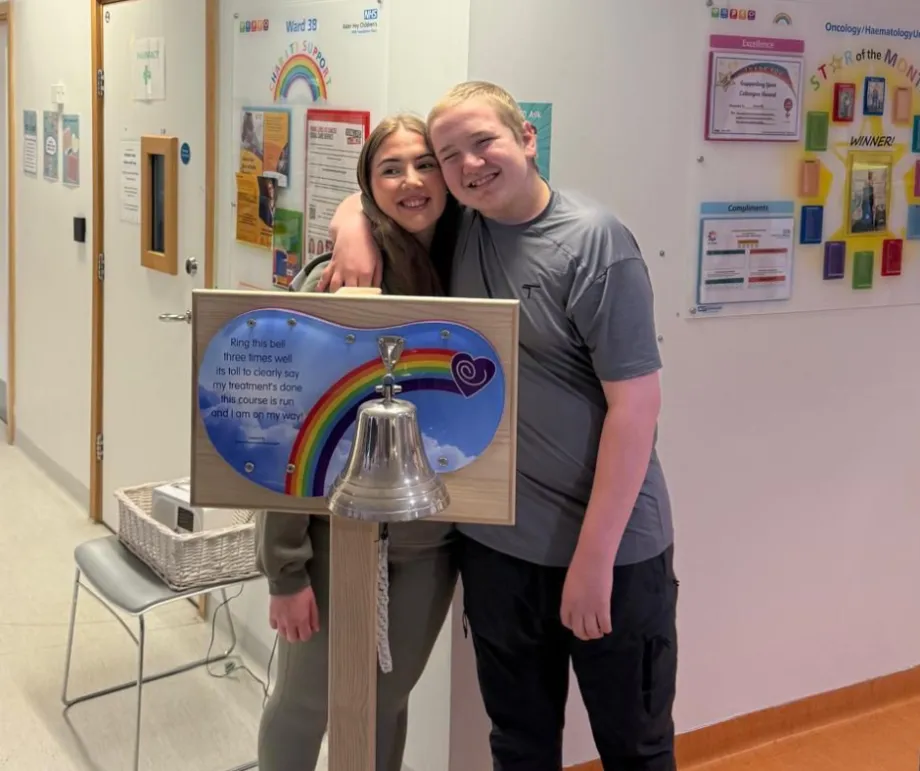
Phoebe and Corey
Phoebe said: “Living with my teenage brother as he’s gone through cancer treatment has changed almost everything about our daily lives. Before all of this, our house felt loud and normal. During his treatment, so much of our time revolved around hospital visits, medication schedules, and watching for side effects. The house would feel quiet and heavy while we waited for them to come home.
As siblings, my other brother, Blake, and I have had to sit back and watch Corey face this at such a young age. As older siblings, we’ve tried to keep a brave face for him, even when it has felt terrifying to see someone you love so much go from being strong and full of life to seeming fragile. We love him deeply and want to make everything easier for him, yet there have been moments when we’ve felt invisible and helpless. And our parents’ attention naturally shifts to his needs, and sometimes our own problems feel small and selfish in comparison.
The three of us have always been close, but this experience has brought us even closer. We’ve grown up faster than we expected, becoming more responsible and independent because we’ve had to. And for me, as a mum to a two-year-old, it’s been difficult helping my son, Theo, understand why his uncle looks different or doesn’t always feel well. Explaining that Corey doesn’t always have the strength to run around or pick him up has been painful, but he still makes Theo laugh and shares special moments with him. Small moments like Corey laughing at a silly joke or when he’s felt well enough to sit with us mean more than they ever did before.
The Joshua Tree has been one of our greatest sources of comfort. They treat us not just as a family affected by cancer, but as people who matter. It’s a place where we, as siblings, feel at home, surrounded by people who genuinely understand without needing long explanations. The staff have made me feel heard, both as an older sister and as a mum, during a time that can feel incredibly isolating. Whether it’s sharing a laugh or offering space to cry, their generosity means more to us than we could ever fully express.”
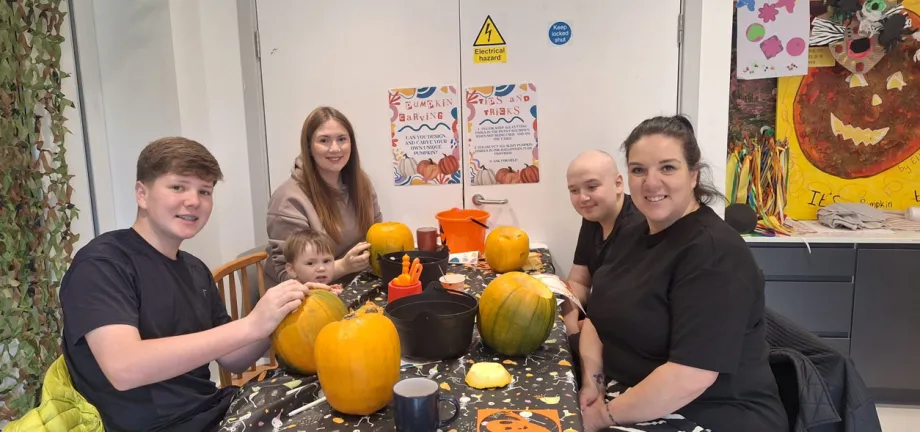
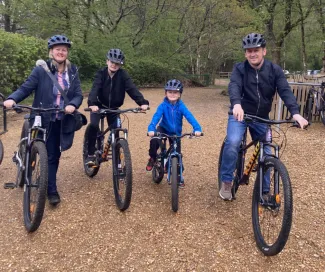
Phoebe with Corey, their brother, Blake, her son, Theo, and mum, Jayne
Website: www.thejoshuatree.org.uk Email: familysupport@thejoshuatree.org.uk
From Contact magazine issue 111 | Summer 2026