I’d been feeling unwell for about a week before my diagnosis. I also had these massive, really dark bruises that wouldn’t heal, and a petechiae rash (a cluster of small pinpoint red, purple or brown spots that appear on your skin), both of which I originally put down to something else. I initially thought the rash was down to hay fever, and I assumed the bruises were from being clumsy when moving things around when decorating my bedroom.
I decided to go to doctors to get checked out but couldn’t get an appointment with the GP when I first tried on the Friday. I began to feel poorly over the weekend and was really fatigued and wiped out. I had no energy to do anything, which wasn’t like me. So, I tried getting an appointment on the Monday, which was difficult again. I was really high in the queue, and I remember thinking to myself that I could just give up but decided that I was already committed to it by that point.
Eventually, I was given an appointment for late in the day. By the time it came around, I’d developed a really high temperature, and the senior doctor at the surgery was called in to look at me. They decided to send me straight to GP Assessment Unit at the hospital to have further checks. Even at this point, I never thought that what I was facing was cancer. In my head, I was far too young for that.
My mum and I went straight to the hospital, where my bloods were quickly taken. We waited for four or five hours before two haematologists arrived and took me into a side room to tell me I had leukaemia. I was shocked, but very quickly went into survival mode, asking the doctors whether it was treatable, which they assured me it was.
One of the things that has hit me hardest on this journey is that I didn’t really process everything until much later, after my initial induction treatment. Instead, I was thrown straight into a terrifying and uncertain new world. I remember being on an adult’s haematology ward that first night, before being moved to a ward for teenagers and young adults. It was full of much older people, and as a young person, having never even been in hospital before, I couldn’t help wondering what I was doing there. In between being ferried all over for scans and tests, I was alone with my thoughts, trying to make sense of the news and all this new, confusing information I was being given.
This all had a huge effect on me, but at the time, I was just so focused on getting better. I just thought I’d get the first part of treatment done and go home. I was quite naive and didn’t really deal with anything.
The impact of my cancer
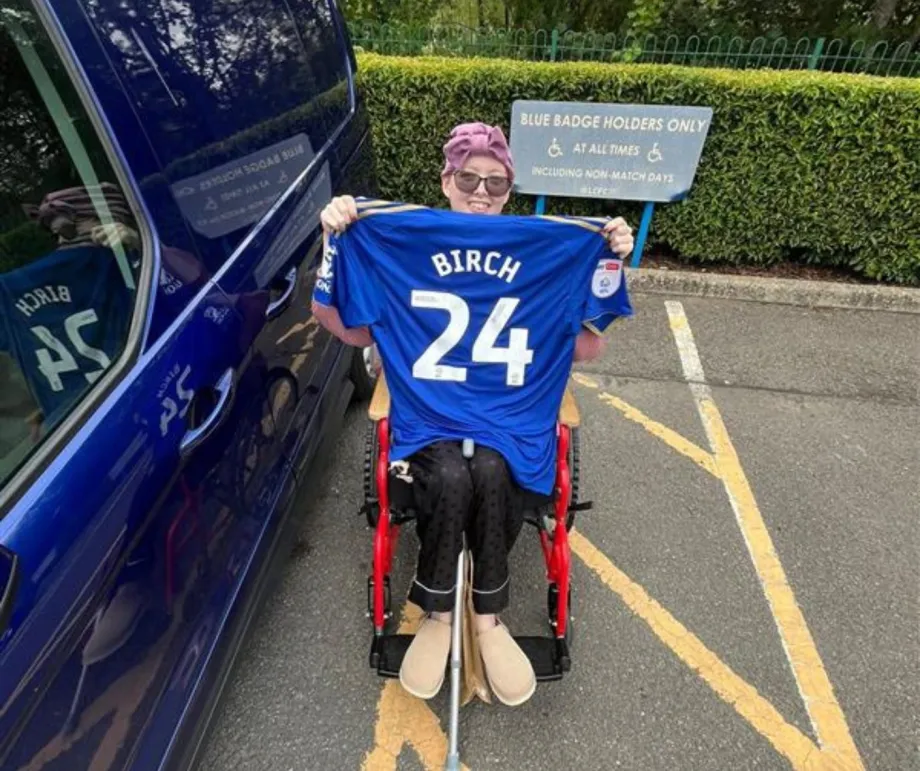
Cancer and its treatment have taken a huge toll on me, both physically and mentally. I’ve suffered from several complications and side effects of treatment, including a serious stomach infection and issues with my mobility which left me unable to walk for a month. I couldn’t even get up the stairs. Having my independence taken from me really hurt – one minute life was completely normal, then the next I’m lying in hospital unable to move, relying on other people for everything.
My experiences have also left me with medical PTSD, which is just horrible. Now, every time I go in for treatment, a procedure or any kind of medical appointment, I get really angry and upset. To this day, it’s really hard to calm me down because I’m absolutely traumatised. I just don’t want to be there, but I know I have to be to make me better.
I also get tired very easily, and just doing simple things around the house is hard for me. Even just getting up sometimes and going in the shower or making my bed can wipe me out for the rest of the day. I’ve been on sick leave from my job in local governance, which I’ve found difficult. Work have been great, which has really helped, but it’s been hard not working. I get along with all my colleagues and have missed the buzz of the office. I’ve missed getting up in the morning and having a purpose.
Mentally, it’s been tough. I wished I processed things a little differently. A little sooner. I now see a counsellor, who’s been helping me to talk through my trauma and come to terms with things, and it’s really helping. I’m a big advocate for mental health support and would urge anyone who needs it to take what support they can get.
CCLG’s information resources
After I was diagnosed, I read a lot of the information on CCLG’s website. It’s information that's medically trusted, not like some of the things you can read on Google. You can trust what you’re reading is right. It’s really helped make sense of everything and know what I’m facing. It’s so important to have charities like CCLG to provide these resources at a time when people need them the most.
Giving back
I set up a Special Named Fund with CCLG to fundraise for research into ALL. ‘Izzy’s Legacy’ has given me a purpose at a time when I’ve needed something to do when I’ve not been able to work. It’s really helped me. It's something that's mine, and no one can take that away from me. I’ve had so much support with the fund, and it feels great to give back.
The fundraising also gives me a platform to raise awareness, something which is really important to me. I’ve made it my mission to share my story as people need to be aware of cancer in young people. If just one person went to the doctors because they have heard my story, and it means they can catch their cancer early and get diagnosed quicker, instead of leaving it for three months where it could become more aggressive and harder to treat, then it’s worth it.
I also want to let other young people with cancer know that they’re not alone, and that there is support out there for them. I, for example, didn’t know you could get specialist counselling for medical PTSD, so making people aware that these services are there to be accessed, and do help, is something I’m passionate about.
How cancer has changed my perspective
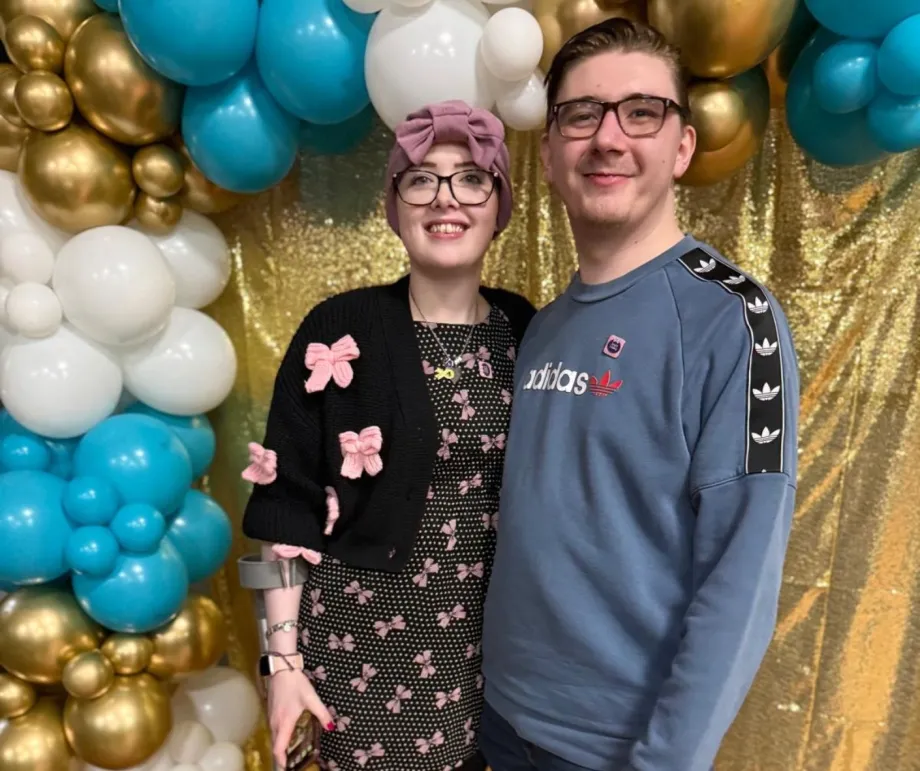
I think having cancer makes you think of life as that bit more precious, and it probably makes you more compassionate toward people, too. And I don’t sweat the small things anymore – if I want to go out in my dressing gown or go to the shop in my pyjamas, then I will do!
My advice to others worried about their health
If anything feels poorly or off, go and get it checked – and make sure to persevere. When I tried to get an appointment at the GP, it was a real battle. I could easily have given up, but I didn’t, and I now know how important a decision that was.
What I want people to know about having cancer as a young person
Just because a young person has cancer doesn’t mean they’re not the same person. I’ve always still been Izzy and still want to be treated as I’ve always been. I’ve got the same sense of humour, the same personality. I may not be able to do everything I want or used to do, but I don’t want to be treated any differently, or, worse, pitied. And definitely don’t assume or try to tell me I should be lying down in bed all day!
My advice to other young people with cancer
Try to take one day at a time and don’t look too far into the future or worry about things you have no control over. I found myself wishing time away, looking ahead to the end of treatment blocks, whereas you should really try and enjoy every day, even if it’s rubbish. Make your memories still. If you’re physically able to do something, just do it. Don’t let your illness stop you.