Research focus
- PROJECT TITLE: Validating an immunophenotype of chemotherapy resistance in childhood B-ALL – towards tailored treatment and improved outcomes
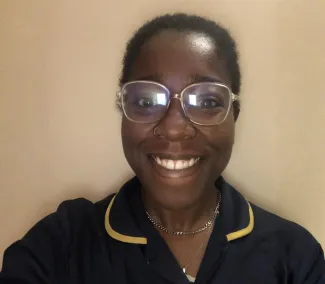
- LEAD INVESTIGATOR: Dr Elitza Deltcheva, part of Professor Tariq Enver’s lab team
- INSTITUTION: University College London Cancer Institute
- AWARD: £15,000 (funded by CCLG and CCLG Special Named Funds #TeamMax ALL Fund, Arabella’s Leukaemia (ALL) Research Fund, Stand with Sofia, Elliott’s Warrior Fund, Toti Worboys Fund, Harley James Reynolds Fund, Josh’s Gold Star Fund, Fred Bennett’s ‘Don’t Look Down’ Fund, Henry Gloag Fund, and Eden’s Fierce Fight)
Childhood B-cell acute lymphoblastic leukaemia (B-ALL) is the most common paediatric cancer. Although many children with low-risk B-ALL can be cured, this cancer is still the leading cause of cancer-related deaths in children. Current treatments are toxic, lasting up to three years, and place considerable burdens on patients and their families. While most children with B-ALL will survive, around 20% won't, either because of relapsed disease or complications from treatment. Those surviving into adulthood may suffer from long-term health problems and face fewer opportunities in life due to the disruption to their education. Therefore, there’s an urgent need for early detection of the cells that cause relapse and the development of targeted, less toxic therapies.
Our previous research
With the help of Professor Tariq Enver’s funding from The Little Princess Trust in 2021, our lab was able to start addressing these issues – and our efforts to understand B-ALL led to a key discovery.
All leukaemia cells are addicted to a group of proteins called the core binding factor (CBF) complex. This complex is responsible for making blood in healthy individuals. However, when the genes that encode this complex are mutated, they can cause leukaemia.
We thought that stopping the complex from working would be a good treatment for leukaemia. There’s a type of drug called an ‘inhibitor’ that can block the activity of the complex. It can kill leukaemia cells without affecting normal blood cells, which would make it much less toxic than current chemotherapy. However, it wasn’t effective enough to be used in patients on its own.
So, we partnered with a team of medicinal biochemists at the University of Oxford, who provided us with hundreds of new chemicals that could either work with our inhibitor or be more effective. We tested these on leukaemia cells in the lab, and these extensive experiments revealed five promising options that we’re currently researching further.
This project
My own CCLG-funded project takes a different approach. It aims to better understand the leukaemia cells that survive treatment, as they’re the ones that are responsible for relapse. However, these cells are very rare and isolating them from all of the healthy blood cells is technically challenging. Through CCLG’s VIVO biobank grant scheme, we were provided with more than 50 patient samples, taken at diagnosis and after treatment.
We then used a cutting-edge method called DOGMA-seq, which allowed us look at the processes occurring in each leukaemia cell – almost as if we were using a magnifying glass. We were able to ask questions about what genes are active within each cell after treatment and investigate what makes them different. With the help of our head bioinformatician, Dr Jason Wray, we identified multiple markers on the surface of resistant cells. Together, these markers could be seen as a ‘signature’ of leukaemia cell presence.
Next steps
We’re now collaborating with the University College London Hospital diagnostic lab to try and integrate our signature into the tests they already use at diagnosis and to monitor treatment success. We hope this will help doctors identify the cells that will cause relapse early on, tailor the treatment accordingly and, ultimately, prevent the return of the disease.
Taken together, our research can lead to improved survival rates and the development of less toxic and more targeted therapies, sparing patients and their families the distressing side effects of long-term chemotherapy. We’re extremely grateful to all the families who have donated funds to CCLG and supported our research.
From Contact magazine issue 109 | Winter 2025